
Tag Archive for: Marketing Tips

A strong summer marketing design strategy can help businesses connect with customers more effectively during one of the busiest times of the year. As people spend more time outdoors, attend events, travel, and explore their communities, businesses have an opportunity to refresh their visual marketing and create content that feels current and engaging.

The good news is that improving your marketing visuals does not require a complete redesign. Small, intentional updates can help your brand stay recognizable while better reflecting the energy and opportunities that summer brings.

Whether you operate in Whistler, the Sea-to-Sky corridor, or elsewhere in Canada, these practical design ideas can help you make the most of the season.

1. Summer Marketing Design Starts with Seasonal Visuals

One of the simplest ways to refresh your marketing is by updating your imagery.

Customers naturally respond to visuals that reflect the season they are currently experiencing. Summer imagery can create a stronger connection because it feels relevant and timely. Bright photography, outdoor settings, community events, and seasonal activities can all help your content feel more current.

For businesses in Whistler and the Sea-to-Sky, summer offers endless inspiration. Mountain biking trails, patio dining, hiking adventures, lakes, and local events all provide opportunities to showcase authentic experiences.

The goal is not to replace your brand identity. Instead, seasonal visuals should complement your existing brand while helping your content feel fresh and engaging.

Choose Authentic Images Whenever Possible

While stock photography can serve a purpose, original imagery often creates a stronger connection with audiences.

Photos of your products, services, location, or community can help customers better understand your business and what makes it unique. Authentic visuals also support consistency across your website, social media channels, and promotional materials.

When customers see genuine experiences represented in your content, they are more likely to engage with your brand.

2. Simplify Design Elements for Faster Communication

Summer audiences are often moving quickly. They may be browsing social media between activities, researching businesses on mobile devices, or planning last-minute outings.

Because of this, clear communication becomes even more important.

Effective design helps people understand your message quickly. Overcrowded graphics, excessive text, and competing visual elements can make content harder to process.

Instead, focus on:

  • Clear headlines
  • Easy-to-read fonts
  • Strong visual hierarchy
  • Simple calls-to-action
  • Adequate spacing between design elements

A cleaner design often leads to a stronger message.

Remember That Less Can Be More

Businesses sometimes feel pressure to include every detail in a single graphic. However, the most effective marketing pieces often communicate one key idea at a time.

A focused design allows customers to absorb information quickly and decide what action to take next.

3. Create Mobile-Friendly Marketing Assets

Mobile devices continue to shape how people discover businesses, especially during the summer months.

Potential customers may be searching for activities, restaurants, services, or events while they are already out exploring. If your graphics are difficult to read on a smaller screen, important information can easily be missed.

As you review your marketing materials, consider the following questions:

  • Is the text readable without zooming in?
  • Are important details visible at a glance?
  • Does the design look balanced on both desktop and mobile devices?
  • Is the call-to-action easy to find?

These small adjustments can significantly improve user experience.

Designing for mobile does not mean sacrificing creativity. Instead, it encourages a more thoughtful approach to visual communication.

4. Keep Your Brand Consistent Throughout Summer

Seasonal marketing often involves creating new promotions, advertisements, social media graphics, and event materials.

While it is tempting to experiment with completely different styles, consistency remains important.

Strong branding helps customers recognize your business across multiple platforms. Colours, fonts, photography styles, and graphic elements should work together to create a cohesive experience.

Consistency builds familiarity. Familiarity builds trust.

When people repeatedly encounter a recognizable visual identity, they are more likely to remember your business when they are ready to make a purchase or booking.

Seasonal Updates Should Support Your Brand

Rather than creating an entirely new look for summer, consider small adjustments that complement your existing brand.

Seasonal colours, updated photography, and summer-themed graphics can add variety while maintaining consistency.

This approach keeps your marketing fresh without creating confusion.

5. Use Visual Storytelling to Create Stronger Connections

At its core, good design is about communication.

Visual storytelling allows businesses to share experiences, values, and moments in a way that feels approachable and memorable. Instead of focusing only on products or services, consider how your content can tell a larger story.

For example, businesses can highlight:

  • Community involvement
  • Seasonal events
  • Customer experiences
  • Local partnerships
  • Memorable moments throughout the summer

These stories help audiences connect with your brand on a more personal level.

In destinations like Whistler and throughout the Sea-to-Sky region, visual storytelling is particularly effective because the landscape, community, and seasonal activities naturally create compelling content opportunities.

When paired with thoughtful design, storytelling can help transform ordinary marketing into content that people genuinely enjoy engaging with.

Building a Stronger Summer Presence Through Design

A successful summer marketing design strategy is not about following every trend or making dramatic changes to your brand. It is about making intentional improvements that help customers connect with your business more easily.

By refreshing seasonal imagery, simplifying your designs, optimizing for mobile users, maintaining consistent branding, and embracing visual storytelling, you can create marketing that feels current, professional, and engaging throughout the summer season.

If your business is looking for ways to strengthen its visual marketing, even small updates can create meaningful results. Thoughtful design helps ensure your message remains clear, recognizable, and memorable long after the season ends.

Ready to refresh your summer marketing design? Contact Cloud9 Marketing to explore creative strategies that help your business stand out while staying true to your brand.


Summer content marketing becomes increasingly important as the Whistler and Sea-to-Sky region moves into its busiest season. Visitors begin searching for places to stay, restaurants to visit, activities to book, and local businesses to explore long before they arrive. At the same time, local audiences become more active outdoors, spending more time attending events, exploring the region, and engaging with content online in shorter, faster moments throughout the day.

For businesses, summer creates a natural opportunity to refresh digital marketing efforts in a way that feels seasonal, approachable, and relevant to what people are already experiencing around them. Strong seasonal marketing does not need to feel overproduced or overly sales-focused. In many cases, the most effective summer content simply feels timely, visually engaging, and connected to the atmosphere of the season.

For businesses across Whistler, Squamish, Pemberton, and the wider Sea-to-Sky Corridor, summer content marketing can help maintain visibility online while creating stronger connections with both locals and visitors throughout the season.

Refresh Visual Content for the Summer Season

One of the easiest ways to update summer content marketing is by adjusting the visual style of your content to reflect the pace and energy of the season. Summer audiences are naturally drawn toward brighter visuals, outdoor environments, movement, and content that feels current and active.

Even smaller updates can help content feel more seasonal. New photography, lighter colour palettes, refreshed website banners, or updated social graphics can instantly make a business feel more aligned with summer trends. Businesses in Whistler and the Sea-to-Sky already have access to strong visual inspiration through local scenery, mountain landscapes, lakes, trails, patios, and community events.

At the same time, maintaining visual consistency still matters. Seasonal content tends to work best when it feels refreshed without completely changing the overall identity of the brand. Familiar colours, fonts, and design styles still help audiences recognize your business while allowing room for more seasonal creativity.

Short-form video can also play a valuable role during the summer months. Scenic clips, behind-the-scenes footage, customer experiences, and event highlights often create a more engaging experience online than static promotional content alone.

Summer Design Ideas for Seasonal Content

  • Update website banners with summer photography
  • Use lighter and brighter seasonal colours
  • Create reusable Instagram story templates
  • Add short-form video to social media plans
  • Incorporate local scenery into graphic design
  • Refresh promotional materials with seasonal visuals
  • Highlight outdoor experiences whenever possible

Focus on Content That Feels Real and Local

Summer content marketing often performs best when businesses focus less on promotion and more on creating content that reflects real experiences. Audiences tend to engage more with content that feels natural, community-focused, and connected to the region itself.

For tourism and lifestyle brands especially, summer creates opportunities to share the atmosphere surrounding the season rather than focusing entirely on direct sales messaging. Content featuring visitors exploring Whistler Village, relaxing on patios, attending festivals, or spending time outdoors can feel more relatable and inviting than highly polished advertisements.

This approach also allows businesses to build stronger emotional connections with their audience over time. People are more likely to engage with content that reflects how they want to spend their summer instead of content that feels overly structured or transactional.

Storytelling can become one of the most useful tools within a seasonal content strategy. Sharing customer experiences, highlighting local partnerships, and showing day-to-day moments around the business can help marketing feel more approachable while still maintaining professionalism.

Helpful Summer Content Ideas

  • Local activity recommendations
  • Community event coverage
  • Seasonal travel tips
  • Behind-the-scenes business content
  • Customer stories and testimonials
  • Patio season photography
  • User-generated content from visitors
  • Weekend guides for the Sea-to-Sky

Support Local SEO With Seasonal Content

Summer content marketing can also support local SEO by helping businesses create content connected to seasonal searches and tourism activity. During the summer months, visitors frequently search for nearby restaurants, accommodations, shops, tours, and local services while actively travelling through the area.

According to Google, local search continues to play an important role in how people discover businesses, particularly through mobile devices. Businesses that regularly update their website content, maintain accurate business information, and create helpful local resources are often better positioned to appear in search results.

Seasonal blog posts, event guides, and location-focused content can all contribute to stronger long-term search visibility while also giving customers more useful information during the planning stage of their trip.

Helpful Summer SEO Tips

  • Update Google Business Profile information regularly
  • Use seasonal keywords naturally throughout content
  • Add updated summer photography to listings
  • Create local landing pages for services
  • Encourage satisfied customers to leave reviews
  • Ensure websites perform well on mobile devices

Because many visitors rely heavily on mobile search while travelling, mobile-friendly websites become especially important throughout the summer season.

Keep Summer Content Marketing Consistent

Many businesses feel pressure to completely reinvent their marketing during the summer. However, consistency is often more valuable than constantly trying to create large campaigns or follow every new trend.

During the summer months, audiences tend to scroll quickly through social media while travelling, attending events, or spending time outdoors. Content that feels visually clear, easy to consume, and consistently posted often performs better than overly detailed campaigns that require more attention from the audience.

A steady posting schedule can also help businesses remain visible throughout a busy tourism season. Consistency creates familiarity, especially when audiences are actively searching for recommendations, activities, and local experiences online.

At the same time, not every piece of content needs to feel highly produced. Some of the strongest summer marketing comes from simple updates, timely photos, quick videos, and relaxed storytelling that reflects the pace of the season naturally.

Ways to Simplify Summer Marketing

  • Plan content calendars ahead of busy weekends
  • Reuse strong seasonal content when appropriate
  • Use templates for social media graphics
  • Focus on quality over posting frequency
  • Leave room for spontaneous local moments
  • Keep messaging clear and approachable

Use Local Events as Creative Inspiration

Whistler and the Sea-to-Sky Corridor stay especially active throughout the summer months, with festivals, markets, concerts, sporting events, and community gatherings happening regularly across the region. These events naturally create opportunities for more timely and engaging seasonal content.

Even businesses that are not directly involved in an event can still participate in the broader conversation online. Community-focused visuals, local recommendations, and event-inspired content can help businesses feel more connected to what audiences are already paying attention to.

Content tied to local events often feels more dynamic because it reflects what is currently happening in the community. This sense of timeliness can encourage stronger engagement, particularly during busy travel periods when visitors are actively looking for things to do.

Allowing flexibility within a content strategy can also be helpful during the summer season. Some of the most engaging content comes from unexpected moments, changing weather, busy weekends, or spontaneous experiences around the community.

Let the Season Shape the Storytelling

Summer content marketing does not need to feel complicated to feel effective. In many cases, the strongest seasonal content simply reflects the atmosphere people are already enjoying throughout Whistler and the Sea-to-Sky.

By focusing on authentic visuals, approachable storytelling, and consistent content, businesses can create marketing that feels current without becoming overly promotional. Small seasonal updates often have a larger impact than businesses expect, especially when they help content feel more connected to the experiences audiences are already looking for during the summer months.

As the season continues, it can be helpful to step back and look at how your content feels overall. Adjustments to visuals, photography, messaging, or posting style can often help content feel more engaging without requiring a complete marketing overhaul.

If your business is looking for support with summer content marketing, branding, SEO, social media, or seasonal design, Cloud9 Marketing works with businesses throughout Whistler and the Sea-to-Sky to help create thoughtful digital marketing strategies that feel both creative and approachable. Contact us today and let your brand reach new heights.

You’re Not Out of Content. You’re Overlooking It

A UGC (User Generated Content) marketing strategy starts with a simple shift in thinking. You do not need more content. You need to use what you already have. Many businesses believe their biggest challenge is keeping up with content creation. They feel pressure to post more often, create higher quality visuals, and constantly come up with new ideas. As a result, marketing begins to feel time-consuming and difficult to maintain.

However, the real issue is not a lack of content. It is a lack of awareness. Businesses overlook the content their customers are already creating and sharing every day. When this content is ignored, opportunities are lost, and marketing becomes harder than it needs to be.

What Makes a UGC Marketing Strategy Work

A UGC marketing strategy is important because audience expectations have changed. People are more selective about what they engage with, and they tend to trust real experiences more than traditional brand messaging. Customer content feels different. It is not staged, and it is not overly polished. Instead, it reflects genuine interactions with a business. That authenticity is what makes it valuable.

At the same time, platforms reward content that keeps people engaged. When content feels relatable, people are more likely to watch, comment, and share. This leads to stronger performance without requiring more effort from your team.

For these reasons, businesses that incorporate UGC into their strategy often see better results with less complexity.

You Already Have the Content You Need

Most businesses underestimate how much content they already have access to.

Think about what happens on a regular basis:

  • Customers take photos and videos during their experience
  • Guests tag your location or mention your business
  • Reviews describe what people enjoyed most
  • Staff capture moments during busy days

All of this is usable content. It reflects real interactions and gives potential customers a clear sense of what to expect.

Instead of asking what to create next, it is more effective to ask what already exists that can be shared. This small shift can completely change how you approach marketing.

Why Businesses Struggle to Use It

Even when content is available, many businesses hesitate to use it. This hesitation often comes from a desire to maintain a certain level of polish. Teams may feel that content needs to be edited, branded, or planned before it can be shared. As a result, content is delayed or never used at all.

Another common issue is timing. Businesses miss the window when content is most relevant. By the time they decide to post, the moment has passed. Because of this, marketing starts to feel inconsistent. Businesses fall back into the habit of trying to create new content instead of using what they already have.

How to Build a UGC Marketing Strategy

A UGC marketing strategy does not need to be complicated. It is built through consistent, practical actions rather than large campaigns. Start by focusing on timing. Content performs best when it is shared while it is still relevant. If something happened recently, it should be posted soon after.

Next, prioritize authenticity. Content does not need to be perfect to be effective. In many cases, simpler content performs better because it feels more genuine.

It is also important to review your existing content regularly. Before planning new posts, take time to see what can be reused or repurposed.

Finally, maintain consistency after busy periods. Events, weekends, and peak seasons generate the most content. Instead of moving on too quickly, continue using that content to keep your marketing active.

How UGC Supports SEO

A UGC marketing strategy also strengthens your SEO over time.

UGC introduces new language, perspectives, and search terms that your brand might not use on its own. This helps search engines better understand your content and connect it to relevant searches.

Here is how it supports SEO:

  • Keeps your content updated
    New reviews, posts, and interactions show search engines that your content is active and current
  • Expands keyword reach
    Customers naturally use a wider range of search terms, which helps your content appear in more searches
  • Improves engagement signals
    Content that encourages interaction can increase time spent on your site and overall activity
  • Builds credibility
    Real experiences support trust, which is increasingly important for both users and search engines
  • Supports long-term visibility
    Consistent updates and interactions help maintain your presence in search results over time

Together, these factors create a stronger foundation for visibility without requiring additional content creation.

What This Looks Like in Practice

In practice, a UGC marketing strategy is about making small adjustments to how you use content. For example, instead of organizing a full content shoot, you might use photos from recent customer visits. Instead of writing a new caption from scratch, you might highlight a customer’s review. Instead of waiting for a perfect moment, you might share content while it is still fresh. These decisions reduce the pressure to constantly create new material. They also help maintain consistency, which is one of the most important factors in effective marketing.

Over time, this approach builds a system that is easier to manage and more aligned with how people engage with content.

Stop Looking for Content. Start Using It

A UGC marketing strategy changes how you think about content. You are not starting from nothing. You are working with what already exists. By using customer content consistently, your marketing becomes more natural, more relatable, and easier to maintain. It also becomes more effective, because it reflects real experiences rather than planned messaging.

This shift does not require more effort. It requires a different approach.

Start With What You Already Have

If your marketing feels difficult to keep up with, start by reviewing your existing content. Look at recent customer interactions, tagged posts, and reviews. Identify what can be shared today and begin there.

A UGC marketing strategy is not about doing more. It is about using what you already have in a smarter and more consistent way. If you’re ready, book a free consultation and let’s talk about how you can better leverage your UGC to drive real results.

Marketing can feel overwhelming when you’re running a small business. Between tight budgets, limited resources, and ever-changing trends, it’s easy to think only big brands can make a splash. The truth? Small businesses often have an advantage: the ability to be nimble, personal, and authentic. With a few marketing hacks for small businesses, you can turn that edge into real results.

1. Harness the Power of User-Generated Content (UGC)

Consumers trust other consumers more than they trust ads. By encouraging your customers to share photos, reviews, and testimonials, you create authentic marketing content that resonates. UGC builds credibility, strengthens community, and reduces the time you spend creating content from scratch.

💡 Example: A café asking customers to share latte art photos with a branded hashtag. Not only do you get free content, but you also encourage engagement.

Summary: UGC is cost-effective, authentic, and builds trust while cutting down your content workload.

2. Focus on Quick-Win Social Strategies

You don’t need to post daily to see results. Instead, aim for consistency and quality. Choose one or two platforms where your audience is most active, use scheduling tools to plan posts, and lean on formats like Reels or carousels that generate higher engagement.

💡 Example: A local fitness studio posting three short reels per week featuring quick workouts or client success stories.

Summary: Simplify social media by focusing on consistency, platforms that matter, and formats that spark interaction.

3. Repurpose Content to Maximize Reach

Content doesn’t have to be one-and-done. A blog post can become an email newsletter, a LinkedIn article, or a series of Instagram captions. Repurposing ensures you reach more people without creating new material each time.

💡 Example: Turning a “Top 5 Tips” blog into five separate Instagram posts and a short TikTok video.

Summary: Repurposing saves time and multiplies the impact of your best content.

4. Use Simple Digital Tools to Stay Organized

Free or low-cost tools can make marketing manageable. From Canva for graphics, to Mailchimp for email marketing, to Buffer for scheduling posts—these tools help small businesses look polished without needing a full team.

💡 Example: A boutique clothing shop using Canva templates for seasonal promotions, keeping their brand consistent while saving design costs.

Summary: Digital tools streamline your efforts, making professional-quality marketing accessible to everyone.

5. Measure What Matters

Not every metric tells the full story. Instead of chasing likes or followers, track engagement, website clicks, and conversions. Knowing what’s actually driving results helps you refine your approach and focus energy where it counts.

💡 Example: A landscaping business realizing that Facebook posts don’t bring many clicks, but email newsletters consistently generate bookings.

Summary: Focus on meaningful metrics to refine your strategy and boost ROI.

Marketing doesn’t have to be complicated. With a smart mix of UGC, simplified social strategies, repurposed content, and the right tools, small businesses can grow without burning out. These marketing hacks for small businesses give you a practical way to save time, build trust, and drive results—without the overwhelm.

👉 Ready to put these strategies into action? Book a free consultation with Cloud9 Marketing and let’s explore how we can help your business grow with simple, effective marketing solutions.

Set Your Marketing Resolutions for 2025: Make Them Stick!

The start of a new year always brings a sense of possibility and motivation—a chance to turn aspirations into achievements. But let’s be honest: while setting bold marketing goals is exciting, sticking to them can feel overwhelming. You’re not alone in this struggle; many businesses start strong, only to lose steam as the months go by.

The good news? 2025 can be different. With the right strategies and mindset, you can not only set meaningful goals but also achieve them with confidence. At Cloud9 Marketing, we’re here to show you how to make your marketing resolutions practical, achievable, and impactful. Let’s dive in and make this the year your business thrives.

The Struggle Is Real: Staying Focused on Goals

You’re not alone if you’ve ever felt the pull of shifting priorities or limited resources. It’s a common challenge for businesses trying to stay consistent with their marketing resolutions. Whether you aim to enhance your social media strategy, boost search engine rankings, or strengthen your brand identity, relatability is key—we all know how hard it can be to stay on track.

But don’t let this discourage you! By creating a roadmap and simplifying your approach, you’ll find it easier to maintain focus. Cloud9 Marketing offers tailored solutions to help you tackle these challenges head-on and transform your ambitions into action.

👉 Tip: Check out our post on 5 Strategies to Grow Organically on Social Media for practical steps to keep your goals moving forward.

Your Path to Success: Practical, Optimistic Strategies

At Cloud9 Marketing, we believe achieving your goals doesn’t have to feel overwhelming. Here’s how to approach your 2025 marketing resolutions with optimism and ease:

  1. Set Clear, Achievable Goals: Define what success looks like for your business in concrete terms. Instead of vague objectives like “increase brand awareness,” aim for something measurable, like “grow website traffic by 15% by the end of Q2.” Clear goals create focus and empower you to track progress.
  2. Leverage Digital Tools That Work for You: Stay ahead by embracing tools and platforms that simplify your efforts. Not sure where to start? Our guide, WTF is SEO? The Top 5 SEO Questions We Get From Small Businesses, breaks down SEO into actionable steps that any business can tackle.
  3. Make Consistency Easy: A consistent brand voice and a practical content schedule are essential. Consider a social media plan that works for your team’s bandwidth—because consistency shouldn’t feel like a chore. Need inspiration? Explore our tips in How to Heat Up Your Summer Marketing Strategy for ideas you can adapt year-round.
  4. Monitor, Adjust, Succeed: Your strategy should evolve with your business. Regularly review performance metrics to understand what’s working and where to pivot. At Cloud9 Marketing, we prioritize continuous optimization to ensure every effort brings results. Curious about digital trends? Check out The Impact of AI on Digital Marketing for insights into the future.

You’ve Got This: Empowering Your Next Steps

Taking the first step toward your goals can feel daunting, but you’re in control. Start small, simplify where possible, and embrace tools and partnerships that make success attainable. At Cloud9 Marketing, we’re here to provide personalized strategies that empower you to take charge of your marketing journey.

👉 Action Step: Ready to turn your 2025 marketing resolutions into reality? Contact us today to learn how we can help.

Why Cloud9 Marketing?

Success starts with the right partner. At Cloud9 Marketing, we’re not just about ideas—we’re about action. From setting SMART goals to leveraging the latest trends like AI, we help businesses like yours thrive in Whistler and the Sea to Sky Corridor.

Explore how we help businesses grow with our insights on: Website Accessibility in Modern Web Development.

The holiday season is a whirlwind of twinkling lights, shopping sprees, and endless opportunities for businesses to grab attention. But with every brand vying for a piece of the festive pie, how can yours shine brighter than the star on top of the tree? Simple: win the holidays with smart marketing strategies. From jaw-dropping deals to heartwarming stories, a well-planned campaign is your ticket to standing out.

Let’s get to unwrapping these tips for a winning holiday content strategy that delivers measurable results.

A couple lying on the living room floor, surrounded by festive decorations, making an online purchase

1. Create Holiday-Specific Deals That Convert

Holiday promotions, when paired with smart marketing strategies, are a proven way to capitalize on seasonal shopping habits. Timely, irresistible offers not only create urgency and excitement but also position your brand as the go-to choice during the festive rush.

Here’s how to make them effective:

  • Offer compelling discounts: Deals like “Buy One, Get One Free” or limited-time discounts can drive conversions.
  • Bundle products or services: Encourage bigger purchases by offering curated holiday bundles at a discounted rate.
  • Develop a gift guide: Showcase your products or services in a holiday-themed guide, making it easier for customers to shop.

Consistency across all marketing channels—social media, email, and your website—is crucial to reinforcing these promotions.

Five friends smiling for a selfie at a holiday market

2. Use Social Media to Drive Holiday Engagement

Social media platforms are vital for amplifying your holiday marketing efforts. By incorporating smart marketing strategies, you can capture attention with interactive, shareable content that resonates with your audience and drives engagement.

  • Host festive contests: Encourage followers to participate in photo contests or use branded hashtags for a chance to win.
  • Share visually engaging content: Bright, festive visuals, short videos, and GIFs are highly shareable and ideal for spreading holiday cheer.
  • Leverage paid ads: Organic reach is increasingly limited, but paid ads can ensure your promotions reach your target audience.

Keep your social media campaigns aligned with the season’s festive energy to strengthen engagement and loyalty.

A couple using both mobile and desktop websites to book a holiday vacation in their kitchen

3. Optimize Your Website for with Smart Holiday Marketing Strategies

As the hub of your online presence, your website is a cornerstone of smart marketing strategies and must be prepared to handle increased traffic. A seamless experience can transform curious visitors into paying customers.

  • Create a dedicated holiday landing page: Simplify the shopping experience by consolidating deals and promotions in one place.
  • Incorporate holiday SEO: Use terms like “holiday deals” or “Christmas gifts” to attract seasonal search traffic.
  • Enhance mobile usability: Many shoppers browse on their phones—ensure your site is fast, intuitive, and mobile-friendly.

By optimizing for both performance and user experience, your website can effectively convert holiday traffic into sales.

A man dressed as Santa sitting on the beach in a lawn chair working on a laptop

4. Launch Holiday-Themed Email Campaigns

Email marketing is one of the most powerful tools for reaching customers during the holidays. As part of your smart marketing strategies, it’s a direct and personal approach that can yield significant returns, ensuring your message resonates with the right audience.

  • Promote early access sales: Reward loyal customers with exclusive early-bird promotions to encourage early shopping.
  • Segment your audience: Tailor messages based on customer behavior, such as past purchases or browsing history.
  • Use eye-catching subject lines: Stand out in crowded inboxes with playful and festive subject lines that demand attention.

A strong email strategy can deepen customer relationships and drive revenue during the holiday rush.


Make This Holiday Season Count with Smart Marketing Strategies

A successful holiday content marketing strategy hinges on smart marketing strategies that combine creativity, targeted efforts, and seamless execution. By leveraging strategic promotions, interactive social media, an optimized website, and personalized email campaigns, your brand can rise above the competition and achieve standout results.

Need a hand? At Cloud9 Marketing, we’re experts in crafting holiday campaigns that work. Whether it’s social media strategy, SEO optimization, or creating stunning digital promotions, we’re here to help your brand thrive. Let’s make this holiday season your most successful yet—contact us today!


As the first snowfall approaches, Whistler’s tourism industry kicks into high gear, and behind the scenes, businesses are busy fine-tuning their marketing strategies to get ready for the bustling winter season. While many visitors are daydreaming about powder-filled runs and cozy lodge stays, local businesses are focused on making sure they’ll be top of mind when those dreams turn into bookings.

So, what does it really take to prepare a Whistler business for winter guests from a marketing perspective? Let’s pull back the curtain and take a look.

Refreshing Marketing Materials

Switch out the summer colours for the crisp coolness of winter.

Winter tourism is big business in Whistler. To attract new and returning guests, companies refresh their marketing strategies and materials. From booking ski lessons to promoting cozy winter accommodations, the right digital strategy can make or break a season.

From stunning shots of freshly groomed trails to festive vibes in the village, winter marketing is all about showcasing Whistler’s magic in a way that resonates with potential visitors. But this process isn’t just about slapping on some snowflakes—it’s about telling a story that compels people to choose Whistler as their ultimate winter destination.

Whether it’s updating their website with seasonal imagery, launching a winter-themed social media campaign, or tweaking ad creatives to capture the snowy excitement, marketing teams work around the clock to refresh their visuals and messaging. 

Enhancing your Digital Presence

Use marketing language that inspires urgency and excitement.

Businesses take this time to push early-bird deals, set up seasonal campaigns, and optimize SEO for winter vacation keywords. Ensuring high visibility during this peak season is crucial, as competition is fierce.

With the bulk of travelers planning their trips online, having a strong digital presence is crucial. Businesses in Whistler often take this time to perform an audit of their website and social channels, ensuring they’re optimized for search engines and ready to convert browsers into bookers. From boosting SEO with winter-specific keywords to ensuring seamless mobile navigation, these businesses are making sure their digital storefront is just as polished as their real one.

At Cloud9 Marketing, we help businesses revamp their websites, social media campaigns, and PPC ads to highlight winter-specific services and offers.

Social Media Strategy Overhaul

Find opportunities everywhere to engage with your audience.

Winter in Whistler brings endless opportunities for content creation, and businesses are eager to harness the power of social media to engage their audience. Whether it’s planning out an Instagram feed full of snowy landscapes or curating user-generated content that showcases real guests’ winter adventures, every detail of the social media strategy is thoughtfully planned.

Influencer partnerships, live videos, and interactive content like polls or countdowns keep potential guests excited and engaged in the lead-up to their visit. This is where the magic happens—businesses work hard to craft stories that connect with their audience and get them dreaming about their winter getaway.

Collaborations & Partnerships

Create a sense of community and convenience for your guests.

Winter in Whistler isn’t just about individual businesses; it’s about the community coming together to provide a complete experience. Many tourism companies collaborate with local businesses to create unique winter packages, combining accommodation, ski rentals, and dining experiences.

Cloud9 Marketing often steps in to help facilitate these partnerships, ensuring businesses have the marketing support they need to cross-promote services and maximize their visibility.

Precautions for the Unexpected 

The base of Whistler Mountain with thin snow

Be prepared to shift attention towards other aspects of the winter holidays.

If there’s one thing Whistler businesses know, it’s that winter can be unpredictable. A late winter resulting in no new snow, a lack of reservations due to uncertain weather, or sudden surges in bookings due to a surprise snowstorm are just a few of the potential challenges. That’s why businesses should always have a Plan B (and C).

Whistler businesses rely heavily on the snow during winter to attract guests, but sometimes Jack Frost doesn’t deliver on time. That’s where a flexible marketing strategy comes into play. Activity companies like Canadian Wilderness Adventures prepare for changing conditions by constantly monitoring weather and trail conditions to adjust their offerings accordingly. By monitoring weather patterns closely, businesses can adapt their messaging to focus on alternative winter activities or promote early-bird deals for when the snow finally arrives.

At Cloud9 Marketing, we help our clients pivot quickly, shifting campaigns to highlight off-slope experiences like cozy dining, spa getaways, or scenic winter hikes, ensuring guest interest stays high, even when the snow is running a little late. Adaptability is key, and we make sure your marketing doesn’t miss a beat, no matter the weather.

Impactful Internal Marketing

Emphasize care and commitment to your staff and seek those who value memorable guest experiences.

With winter bringing an influx of tourists, businesses need to scale up their workforce. Hiring seasonal staff is essential for the busy months ahead, and training these new hires takes careful planning. Local restaurants, hotels, and activity companies onboard temporary workers, giving them thorough training in guest service, safety protocols, and winter activity operations.

Internal marketing plays a huge role in getting the whole team aligned and ready for the season ahead. Staff need to be just as informed and excited about the winter campaigns as the customers they’ll be serving. Businesses hold internal briefings, share brand updates, and make sure everyone is on the same page when it comes to delivering the perfect guest experience.

For some, it means team-building exercises or sneak previews of upcoming promotions. For others, it’s in-depth training on new digital tools or platforms that will help streamline marketing efforts and boost guest satisfaction.

At Cloud9 Marketing, we’ve noticed many businesses using social media to promote job openings, leveraging targeted ads to attract talent from across the region, even internationally. Ensuring a smooth hiring process now translates to a better guest experience once winter hits.

Preparing for Guest Feedback

Be open-minded and willing to evolve.

In a competitive market like Whistler’s, the guest experience can be the deciding factor for repeat business. Companies take time to ensure every touchpoint—from booking to check-out—is seamless and personalized. Special touches, like holiday-themed welcome packages, hot chocolate stations, or ski concierge services, go a long way in creating memorable winter experiences.

While many people think marketing stops at the point of sale, that’s far from true. Smart businesses understand that feedback from guests is gold when it comes to future marketing efforts. Leading into the winter season, Whistler businesses gear up their online review strategies, ensuring they’re ready to respond to feedback quickly and authentically. It’s about staying agile and being proactive, so they can turn positive experiences into glowing reviews that will help drive future bookings.

At Cloud9 Marketing, we work with businesses to refine their customer journey through digital channels, ensuring that their online presence mirrors the level of service they provide in person.

As winter approaches, Whistler businesses are busy behind the scenes, perfecting every aspect of their marketing strategies. They’re refreshing seasonal content, aligning internal teams, boosting their digital presence, and preparing for engaging social media takeovers—all to create an experience that captivates and converts. With a focus on impactful marketing and attention to guest feedback, they’re set to welcome the winter crowds when the snow arrives. If you’re aiming to elevate your winter marketing, Cloud9 Marketing is here to help your business stand out. From crafting a dynamic social media strategy to optimizing your website for winter traffic and building impactful internal campaigns, our expertise ensures your business is ready for the season. Let’s work together to make sure your business tops everyone’s winter getaway list!

It’s October, and while you’re getting ready for all things spooky, there’s one type of horror you want to steer clear of—horrific branding mistakes! In the world of marketing, some blunders are so cringeworthy they might as well belong in a horror movie. So, grab your popcorn and buckle up, because today, we’re venturing into the darkest depths of branding fails that left a lasting mark (and not the good kind) on some pretty big companies.

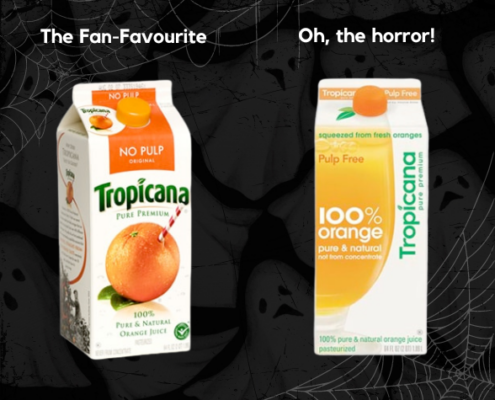
1. Tropicana’s Disastrous Redesign (2009)

Tropicana thought it would be fun to give their packaging a fresh, modern look in 2009. Unfortunately, this well-intentioned makeover turned into a complete horror show. They ditched their iconic orange with a straw poking out for a minimalist design that left consumers scratching their heads. The backlash was swift and brutal—sales plummeted by 20% in just a few weeks, costing the company a whopping $30 million. The horror was so great they had to retreat and bring back the old design. Moral of the story? If it ain’t broke, don’t fix it!

2. The Gap’s Ghastly Logo Change (2010)

Ah, The Gap—known for its classic American style and… a logo change that went down in flames. In 2010, they decided to switch things up with a new logo: plain Helvetica font with a tiny blue square. The reaction? Fans of the brand were horrified! The new design was slammed as cheap and generic, leading to such an uproar that The Gap scrapped it just one week later. A spooky reminder that even a well-established brand can stumble by not respecting its customers’ emotional ties to its identity.

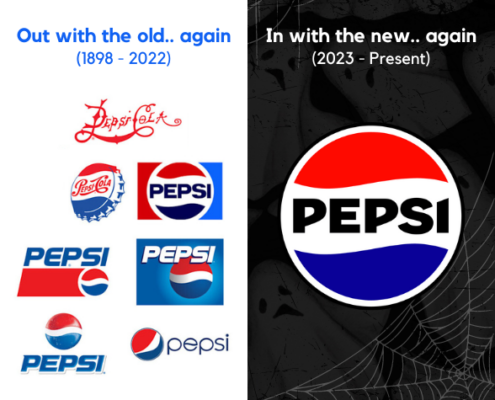
3. Pepsi’s Endless Rebranding Cycle (2008-Present)

Pepsi seems cursed with an insatiable need to rebrand every few years, and the results are rarely a treat. The last redesign—featuring a “smile” on the logo—came with a jaw-dropping price tag of $1 million and was met with a collective yawn. Pepsi has since resurrected one of its old logos, bringing them back from the dead with a bold 2023 redesign. This new look is a clear homage to Pepsi’s century-old logos. As for the lowercase logo, it will be buried alongside the rest of Pepsi’s retired designs in the logo graveyard. And who knows, potentially raised from the dead to walk in the branding world yet again. Meanwhile, Coca-Cola has kept a steady, consistent brand image that stands the test of time. The takeaway here? When it comes to branding, sometimes it’s better to be a Coca-Cola than a Pepsi. Consistency is key!

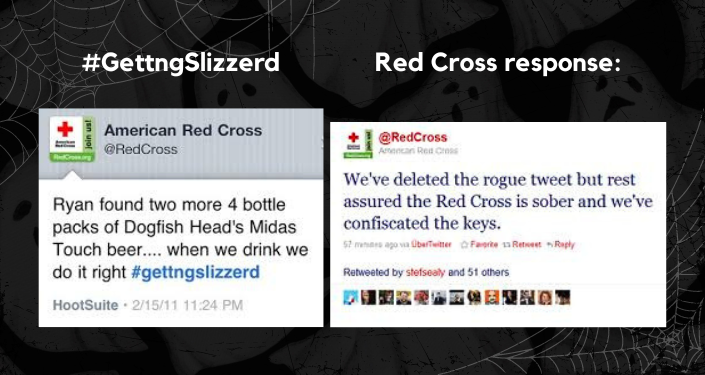
4. The American Red Cross’ Drunken Tweet (2011)

You’d think a venerable organization like the American Red Cross would be immune to social media slip-ups, right? Think again! In 2011, an employee accidentally posted a tweet meant for their personal account, revealing they were “getting slizzered” (a.k.a. drunk) on Dogfish Head beer. Although the tweet was quickly taken down, it was too late—the internet had already grabbed hold of the gaffe. Thankfully, the Red Cross handled the mishap with humor and grace, even partnering with Dogfish Head to turn the embarrassment into a charitable opportunity. Lesson learned: Always double-check which account you’re posting from!

5. Schweppes’ “Il Water” in Italy (1990s)

Sometimes, translation errors can be more horrifying than a haunted house. Case in point: Schweppes. When launching their tonic water in Italy, they didn’t realize their product name would translate to “Schweppes The Toilet.” Unsurprisingly, Italian sales didn’t quite bubble over as planned so they quickly changed the name to Tonica instead. This blunder is a solid reminder of the importance of doing your homework, especially when expanding into international markets!

So, what have we learned from these branding horror stories? Always do your homework—whether it’s testing a new design with your audience, considering cultural and linguistic differences, or simply double-checking before you hit ‘send’ on social media. Branding is not just about looking good; it’s about resonating with your audience, building trust, and standing out for the right reasons. Don’t let your brand be the next one haunting the marketing halls of shame. Remember, a little extra caution can keep your brand from becoming a real-life nightmare!

Feeling a little spooked about your brand’s direction? Don’t worry, you don’t have to face the marketing monsters alone! At Cloud9 Marketing, we specialize in turning your brand from a scary story into a fairy tale success. Whether you’re worried about a redesign that didn’t quite land or a campaign that’s giving off ghostly vibes, our team is here to help! Reach out to us for a free consultation, and together, we’ll ensure your brand shines brighter than a jack-o’-lantern on Halloween night. No tricks, just treats 🎃👻

Get in touch with us today, and let’s take the fright out of your marketing!

Branding is one of the most critical elements of a successful business. It’s more than just a logo or a colour scheme; it’s how your audience perceives your company. However, many businesses, both large and small, make avoidable mistakes that can dilute their brand identity and impact their growth. At Cloud9 Marketing, we believe that understanding these pitfalls is the first step in building a robust brand. Here are the top five branding mistakes businesses often make and how to steer clear of them.


1. Inconsistent Branding

One of the most common branding mistakes is inconsistency. Your brand should be recognizable across all platforms and touchpoints, from your website to social media and even in your internal communications. Inconsistent branding can confuse customers, weaken your brand’s message, and ultimately erode trust.

How to Avoid It: Establish clear brand guidelines that detail your visual elements, tone of voice, and messaging. Ensure that everyone in your organization understands and follows these guidelines to maintain a cohesive brand identity across all materials.


2. Ignoring Your Target Audience

Branding is not a one-size-fits-all approach. Failing to understand your target audience can lead to a brand that doesn’t resonate with potential customers. This can result in a disconnect between your brand and the people you’re trying to reach, reducing the effectiveness of your marketing efforts.

How to Avoid It: Conducting thorough market research is a necessity for identifying your ideal customers. Develop buyer personas that reflect demographics, preferences, and pain points of your target audience. Tailor your branding efforts to meet their needs and desires​.


3. Branding around a trend

While it’s important to stay current, rushing to every trend can dilute your brand’s identity. Trends come and go, and what’s popular today might be outdated in a few months. This leaves little room to maintain a lasting identity for your business. If your brand is too closely tied to a fleeting trend, you might find your brand becoming lost along with it.

How to Avoid It: Instead of chasing trends, focus on building a timeless brand. Keep your core brand identity grounded in your unique values and mission, and instead, update imagery and marketing graphics to embrace upcoming trends.​ 


4. Poor Brand Experience

Brand experience is the foundation of your business; it’s a reflection of how your customers see you and how they interact with your business, from customer interaction to your website’s user interface. Ignoring the brand experience or allowing it to become poor can lead to negative perceptions, loss in capital and high turnover.

How to Avoid It: Pay attention to every touchpoint where customers interact with your brand, from your website’s usability to customer service interactions, ensure that every aspect of the brand experience is easy, thorough and consistent​. Have an open mind to criticism and leave room to grow as a company, customers and investors appreciate honesty and genuine interest in their concerns.


5. Lack of Differentiation

In a crowded marketplace, failing to differentiate your brand from competitors can make it appear generic, forgettable and run the risk of legal issues. Your brand needs to stand out and highlight what makes you unique. What is your personal drive for this company, what are your dreams and desires, clients favour brands that can connect with them on a more personal level.

How to Avoid It: “Wear your heart on your sleeve” so the saying goes. Focus on your unique selling points (USPs) and communicate them clearly in your branding; whether it’s superior customer service, innovative products, or a commitment to sustainability, make sure your brand reflects what sets you apart from the competition​.

At Cloud9 Marketing, we care about the success of your brand. With over 15+ years of experience, we specialize in counselling businesses on the best web and design practices, offering a comfortable and involved experience. Contact us today for a free consultation. 

Selecting the right font is more than just a design choice—it’s a crucial element that impacts readability, aesthetics, and the overall effectiveness of your project. At Cloud9 Marketing, we understand the importance of typography in creating compelling designs. Here’s a comprehensive guide to help you choose the perfect font for your next project.

Key Factors in Font Selection

When choosing a font, consider the following factors to ensure it aligns with your project’s goals and audience:

  1. Readability:
    • Importance: The primary purpose of any text is to be read. Ensure your font is legible in various sizes and on different devices.
    • Tip: Test your font in different sizes and formats to see how it performs.
  2. Tone and Style:
    • Importance: Fonts convey emotions and set the tone for your content.
    • Tip: Match your font style with the message you want to convey. For instance, a formal report may require a serif font, while a tech blog might benefit from a sleek sans-serif font.
  3. Versatility:
    • Importance: Your font should work well in various contexts, whether it’s in a headline or body text.
    • Tip: Choose a font family with multiple weights and styles for flexibility.
  4. Compatibility:
    • Importance: Ensure your font works well with other design elements.
    • Tip: Pair fonts carefully. For example, combine a serif font with a sans-serif for a balanced look.


A close up of an arrange of letters and marks in different fonts, colours, and coloured backgrounds

Understanding Font Categories

Fonts are broadly categorized into several types, each with its unique characteristics and appropriate usage scenarios:

  1. Serif Fonts:
    • Description: Serif fonts have small lines or strokes regularly attached to the end of a larger stroke in a letter or symbol.
    • Common Uses: Print media, formal documents, traditional websites.
    • Examples: Times New Roman, Georgia.

  1. Sans-Serif Fonts:
    • Description: Sans-serif fonts lack the small projecting features called “serifs” at the end of strokes.
    • Common Uses: Digital media, modern websites, minimalist designs.
    • Examples: Arial, Helvetica.

  1. Script Fonts:
    • Description: Script fonts mimic handwritten or calligraphic styles.
    • Common Uses: Invitations, greeting cards, elegant or playful designs.
    • Examples: Brush Script, Pacifico.

  1. Display Fonts:
    • Description: Display fonts are designed to attract attention and are best used in headlines or short text blocks.
    • Common Uses: Posters, advertisements, banners.
    • Examples: Impact, Horizon.

Two people discussing different font styles and colours for their brand

Practical Tips for Choosing Fonts

  1. Limit Your Choices:
    • Avoid using too many fonts in one project. Stick to two or three complementary fonts to maintain a clean and cohesive look.
  2. Consider Hierarchy:
    • Use different fonts to establish a visual hierarchy. Headlines, subheadings, and body text should each have distinct styles to guide the reader’s eye.
  3. Test in Context:
    • Before finalizing, test your fonts in real-world scenarios. Create mockups to see how your text looks in its intended environment.
  4. Check Licensing:
    • Ensure the fonts you choose are licensed for your intended use, especially for commercial projects.

Summary

Choosing the right font can significantly impact the effectiveness of your project. By understanding different font categories and considering factors like readability, tone, and compatibility, you can select fonts that enhance your design and communicate your message effectively.

At Cloud9 Marketing, we specialize in helping businesses create visually stunning and effective designs. If you need assistance with your next project, contact us today.

Happy designing!