
Social media is a community building tool which helps your brand to build authority and engage with customers. It’s important that this be authentic and relevant to your customers. Check out more advice on social media on our blog.

You’re Not Out of Content. You’re Overlooking It

A UGC (User Generated Content) marketing strategy starts with a simple shift in thinking. You do not need more content. You need to use what you already have. Many businesses believe their biggest challenge is keeping up with content creation. They feel pressure to post more often, create higher quality visuals, and constantly come up with new ideas. As a result, marketing begins to feel time-consuming and difficult to maintain.

However, the real issue is not a lack of content. It is a lack of awareness. Businesses overlook the content their customers are already creating and sharing every day. When this content is ignored, opportunities are lost, and marketing becomes harder than it needs to be.

What Makes a UGC Marketing Strategy Work

A UGC marketing strategy is important because audience expectations have changed. People are more selective about what they engage with, and they tend to trust real experiences more than traditional brand messaging. Customer content feels different. It is not staged, and it is not overly polished. Instead, it reflects genuine interactions with a business. That authenticity is what makes it valuable.

At the same time, platforms reward content that keeps people engaged. When content feels relatable, people are more likely to watch, comment, and share. This leads to stronger performance without requiring more effort from your team.

For these reasons, businesses that incorporate UGC into their strategy often see better results with less complexity.

You Already Have the Content You Need

Most businesses underestimate how much content they already have access to.

Think about what happens on a regular basis:

  • Customers take photos and videos during their experience
  • Guests tag your location or mention your business
  • Reviews describe what people enjoyed most
  • Staff capture moments during busy days

All of this is usable content. It reflects real interactions and gives potential customers a clear sense of what to expect.

Instead of asking what to create next, it is more effective to ask what already exists that can be shared. This small shift can completely change how you approach marketing.

Why Businesses Struggle to Use It

Even when content is available, many businesses hesitate to use it. This hesitation often comes from a desire to maintain a certain level of polish. Teams may feel that content needs to be edited, branded, or planned before it can be shared. As a result, content is delayed or never used at all.

Another common issue is timing. Businesses miss the window when content is most relevant. By the time they decide to post, the moment has passed. Because of this, marketing starts to feel inconsistent. Businesses fall back into the habit of trying to create new content instead of using what they already have.

How to Build a UGC Marketing Strategy

A UGC marketing strategy does not need to be complicated. It is built through consistent, practical actions rather than large campaigns. Start by focusing on timing. Content performs best when it is shared while it is still relevant. If something happened recently, it should be posted soon after.

Next, prioritize authenticity. Content does not need to be perfect to be effective. In many cases, simpler content performs better because it feels more genuine.

It is also important to review your existing content regularly. Before planning new posts, take time to see what can be reused or repurposed.

Finally, maintain consistency after busy periods. Events, weekends, and peak seasons generate the most content. Instead of moving on too quickly, continue using that content to keep your marketing active.

How UGC Supports SEO

A UGC marketing strategy also strengthens your SEO over time.

UGC introduces new language, perspectives, and search terms that your brand might not use on its own. This helps search engines better understand your content and connect it to relevant searches.

Here is how it supports SEO:

  • Keeps your content updated
    New reviews, posts, and interactions show search engines that your content is active and current
  • Expands keyword reach
    Customers naturally use a wider range of search terms, which helps your content appear in more searches
  • Improves engagement signals
    Content that encourages interaction can increase time spent on your site and overall activity
  • Builds credibility
    Real experiences support trust, which is increasingly important for both users and search engines
  • Supports long-term visibility
    Consistent updates and interactions help maintain your presence in search results over time

Together, these factors create a stronger foundation for visibility without requiring additional content creation.

What This Looks Like in Practice

In practice, a UGC marketing strategy is about making small adjustments to how you use content. For example, instead of organizing a full content shoot, you might use photos from recent customer visits. Instead of writing a new caption from scratch, you might highlight a customer’s review. Instead of waiting for a perfect moment, you might share content while it is still fresh. These decisions reduce the pressure to constantly create new material. They also help maintain consistency, which is one of the most important factors in effective marketing.

Over time, this approach builds a system that is easier to manage and more aligned with how people engage with content.

Stop Looking for Content. Start Using It

A UGC marketing strategy changes how you think about content. You are not starting from nothing. You are working with what already exists. By using customer content consistently, your marketing becomes more natural, more relatable, and easier to maintain. It also becomes more effective, because it reflects real experiences rather than planned messaging.

This shift does not require more effort. It requires a different approach.

Start With What You Already Have

If your marketing feels difficult to keep up with, start by reviewing your existing content. Look at recent customer interactions, tagged posts, and reviews. Identify what can be shared today and begin there.

A UGC marketing strategy is not about doing more. It is about using what you already have in a smarter and more consistent way. If you’re ready, book a free consultation and let’s talk about how you can better leverage your UGC to drive real results.


Social media trends in 2026 are showing a clear shift. Short posts are no longer creating the same impact they once did. A quick caption, a single image, or a fast update used to be enough to keep your audience engaged. That is no longer the case, because the landscape has changed and the platforms have changed with it.

If you have noticed your short posts slowing down, you are not imagining it. Longer content is taking the lead across Instagram, TikTok, and even LinkedIn. Carousels and 30 to 60 second videos are now outperforming single‑image posts by a wide margin. The reason is simple. People want more.

This month, Cloud9 Marketing is breaking down what is shifting, why it matters, and how you can adjust your content without rebuilding your entire strategy from scratch.

Short Posts Are Not Doing the Heavy Lifting Anymore

Short posts once thrived because they matched how people used social media. Content was fast, light, and easy to scroll through. User behaviour has changed, and people now pause for content that:

  • Gives clear information
  • Shares real insight
  • Shows a story or moment

Audiences are more selective with their attention. They want posts that feel worth their time. This shift is one of the biggest social media content trends of 2026, and it affects every industry.

What Is Working Better in 2026

Across platforms, longer content formats are seeing stronger results. These formats include:

  • Multi‑page carousels
  • Short educational videos
  • Step‑by‑step visuals
  • Story‑based clips

These types of posts keep people on your content for a longer period of time. That is now one of the strongest signals the platforms look for. The more time someone spends on your content, the more the algorithm sees it as valuable.

This trend is especially clear on Instagram and TikTok. Watch time and save‑worthy content are now the top drivers of reach.

Why This Shift Matters for Your Business

This change is not only about content length. It is also about how platforms measure engagement.

The algorithm now prioritizes accounts that:

  • Post often
  • Keep people on the post longer
  • Earn saves, shares, and watch time

Quick likes matter far less than they used to. What matters now is whether your content holds attention and encourages people to return to your page.

For businesses, this is good news. Growth is now tied to value, not to posting constantly or chasing trends that do not fit your brand

How to Adjust Without Starting Over

You do not need a full strategy overhaul. Small shifts can make a meaningful difference. Try creating posts that:

  • Answer a clear question
    Example: “What is the best month to visit Iceland?”
  • Break a topic into small parts
    Example: “Three things to check before booking a hotel: location, transit options, and hidden fees.”
  • Show one simple step someone can take
    Example: “Pick one place you want to visit and save three photos of it for trip ideas.”

These formats are easy to create and easy for your audience to understand. They also align with the social media content trends of 2026, which reward clarity, depth, and helpful information.

What to Create Next

If you want to stay ahead of the shift, focus on content that gives your audience a reason to slow down. Strong options include:

  • How‑to carousels
  • Short story videos
  • Step‑by‑step guides
  • Posts that solve a common problem

These formats build trust, encourage saves, and keep people on your page longer. All of these signals help your reach grow over time.

The Bottom Line

Short posts are not gone, but they are no longer the core of a strong content strategy. Longer, more helpful content is now the key to steady growth across social platforms. The good news is that you do not need to start from zero. With a few small shifts, you can turn your existing ideas into content that performs better, lasts longer, and brings more value to your audience.

Ready to Strengthen Your Content Strategy?

If you want support creating stronger carousels, videos, or a full content plan that fits the social media content trends of 2026, Cloud9 Marketing is here to help.

Book a free consultation with Cloud9 Marketing and let’s build a strategy that grows with you.

Hand holding a yellow hashtag in front of a pink background

In the dynamic landscape of Instagram marketing in 2023, the age-old question persists: “Are Instagram hashtags dead?” While the debate continues, one thing is clear – Instagram hashtags are far from obsolete. However, the game has evolved, and in the current era, keywords reign supreme, reshaping how we approach content on this ever-popular social media platform.

The Evolution of Instagram Strategies


Keywords Take Center Stage

In 2023, the Instagram landscape has shifted towards a more nuanced approach. While hashtags continue to play a vital role, keywords have emerged as the kings of content optimization. The entire caption box and even the bio, including the ‘name’ field, are now SEO battlegrounds where the strategic use of keywords can significantly impact visibility.


Rethinking the 3-5 Hashtag Myth

The once-prescribed “3-5 hashtags” rule has become a point of contention. In 2023, it’s clear that a one-size-fits-all approach doesn’t necessarily apply. Influencers and marketers are experimenting, some finding success with a more restricted number of hashtags, while others swear by the full 30. The key lies in understanding your audience, monitoring performance metrics, and adapting your strategy accordingly.


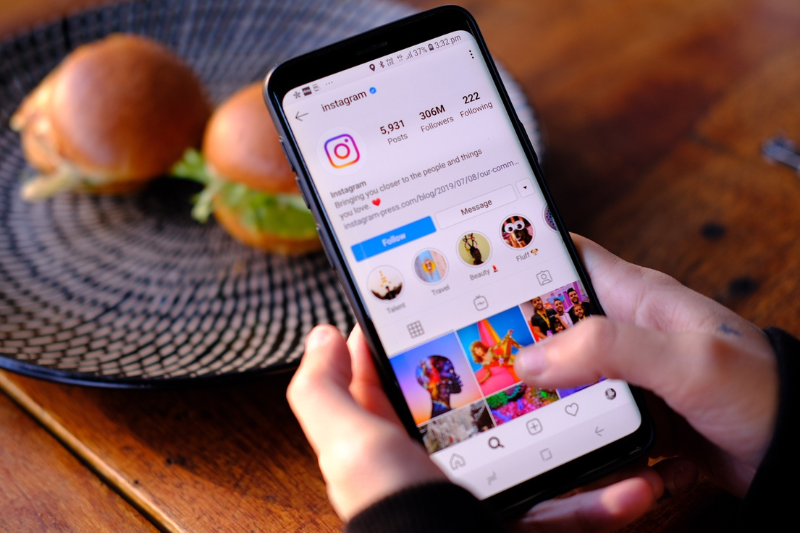
Phone showcasing an Instagram profile in front of a plate of burgers

The Power of Keywords in Captions and Bios

As Instagram becomes increasingly SEO-centric, optimizing captions and bios with relevant keywords becomes non-negotiable. Crafting compelling and keyword-rich captions enhances discoverability, making your content more accessible to a wider audience. The ‘name’ field, once a mere identifier, is now a valuable space for strategic keyword placement.


Example in Action:

Before: “Enjoying coffee on a Sunday. #CoffeeLover #SundayVibes”

After: “Savoring a relaxing Sunday with my favorite brew. ☕ #WeekendCoffee #SundayChill”


The Renaissance of Niche-Specific Instagram Hashtags

In the quest for optimal engagement, niche-specific hashtags are experiencing a renaissance in 2023. Instagram’s refined algorithms favor content specificity, making targeted hashtags essential. Collaborating with micro-influencers within a niche and utilizing their branded hashtags has proven effective, fostering authenticity and deeper connections with the audience.


Example in Action:

Before: “Fitness journey! #Workout #FitnessGoals”

After: “Elevating my fitness game with targeted routines. 🏋️‍♂️ #HIITChallenge #FitLifeJourney”


Girl with space buns pointing to a sign of 341 likes

Micro-Influencers and Their Instagram Hashtag Magic

Micro-influencers, once overshadowed by their larger counterparts, are now wielding significant influence in the hashtag game. Collaborations with micro-influencers within specific niches contribute not only to increased engagement but also to the creation of a genuine community around a brand.


Example in Action:

Before: “New skincare routine! #Skincare #GlowingSkin”

After: “Trying out @MicroInfluencer’s recommended products for radiant skin. ✨ #MicroInfluencerTips #SkincareRoutine”


Brand-Generated Hashtags: The Community Catalyst

Brand-generated hashtags are more than trends; they are community catalysts. In 2023, brands are leveraging custom hashtags to encourage user-generated content, turning customers into brand ambassadors. This approach not only strengthens brand loyalty but also adds a human touch to the brand-consumer relationship.


Example in Action:

Before: “Our customers are the best! #CustomerAppreciation”

After: “Join the community! Share your moments with #BrandCommunityLove. 🤝❤️”

Striking the Right Balance


Keywords, Hashtags, and Balance

The sweet spot in 2023 lies in finding the perfect balance between keywords and hashtags. Rather than viewing them as mutually exclusive, successful Instagram marketers intertwine both elements seamlessly. A carefully curated combination of relevant keywords in captions and bios, along with a strategic selection of hashtags, can elevate your content above the digital noise.


Example in Action:

Before: “Exploring nature’s beauty. #Nature #Adventure”

After: “Immersing myself in the tranquility of nature. 🌿 #NatureEscape #OutdoorAdventures”


Macbook and iMac on a desk with a white bookshelf and potplant


In the ever-evolving world of Instagram marketing, the question isn’t whether hashtags are dead, but how they coexist with the new ruler of the realm – keywords. The advice of limiting hashtags to 3-5 may not be a universal truth in 2023. Instead, influencers and marketers must embrace experimentation, monitor results, and strike a delicate balance between the power of keywords and the enduring relevance of hashtags. As Instagram’s SEO landscape continues to mature, those who adapt and master this delicate dance will undoubtedly rise above the competition, carving a distinct space in the hearts and feeds of their followers.

Ready to elevate your Instagram game and boost your brand’s presence? Cloud9 Marketing is your trusted partner in navigating the ever-changing world of social media. Our team of experts are here to craft a personalised strategy for your business. Book a consultation today!

Organic growth on social media is essential for any brand or business looking to build a solid online presence. To increase your followers and engage with your target audience, its essential to have a clear strategy and effective tactics. Here are five strategies you can use to grow organically on social media.

1. Develop a consistent content strategy: Creating quality content that resonates with your target audience and actively engaging with them is the key to organic growth on social media. Developing a content strategy and schedule that allows you to post engaging content regularly will help you build a loyal following.

2. Utilize user-generated content: Incorporating user-generated content into your social media strategy is a great way to build trust and engagement. Encourage your followers to share their content featuring your product or brand, and thank them for their efforts.

3. Leverage influencers: Partnering with influencers in your industry can significantly increase your reach and boost your organic growth on social media. Find influencers who align with your brand values and mission, and ask them to promote your product or service.

4. Focus on relationship building: Social media is all about relationships. Take the time to build relationships with your followers by engaging with them and responding to their comments and messages. This will help you establish a loyal following and grow organically.

5. Analyze and adjust: Analyzing the performance of your posts and campaigns is essential to understand what’s working and what’s not. Use data to track your performance and adjust your strategy to maximize your organic growth.

Social Media Influencers

Influencer marketing, a spin-off from celebrity endorsement, is on the rise. More and more companies are realizing its power and seeing a massive return on investment. Here’s our guide to why it’s effective and the best way to go about using influencers.

What is it?

An influencer is someone, usually with a high social media following, who has the ability to influence the purchasing decisions of others. They have a following in a particular niche and actively engage with their audience. You can use different types of influencers depending on your business needs and budget. Micro Influencers have between 2,000 and 100,000 followers but can produce significate results.

Measure

While the amount of followers plays a large part in how much influence someone will have, engagement is something that shouldn’t be ignored. Someone with 20,000 followers is likely to get more engagement than someone with 200 followers, but the idea is to be able to reach real people. Followers have to be earned not purchased, and, while bots and unqualified followers will have an impact on initial social media credibility, it is important to measure engagement. High engagement levels mean maximum results.

Get the right influencers for your product or service

There are thousands of influencers out there so how do you know which one is right for you? You need to look at how aligned a bloggers content is with your messaging. Even though they may have thousands of followers, and high engagement levels, if they are not relevant to your business, then the results will be less desirable. You want to choose an influencer who can naturally incorporate your brand into their own style. Working with an influencer who is passionate about your product or service will reflect in their posts. Find someone who you feel fits in with your brand voice.

Where can you find them

There are many sites to find influencers: Upluence, AspireIQ and Hypr are just a few. Make sure you look at metrics. These sites will show you a break down of their analytics so you can get an indication of how much of a return on investment you will receive.

The gift that keeps on giving

The beauty of influencer marketing is that it doesn’t stop with that post. Unlike other forms of marketing, posts about your product can come up months after the post. You will get the most results at the time of posting but it is not uncommon to see a second ‘spike’ especially if it is connected to an event.

Here at Cloud9 Marketing, we can help you with all your social media needs. Contact us for help on how you can use an influencer to promote your brand.

Real-time marketing is nothing new, but thanks to the power of social media more and more businesses are starting to embrace it as an effective form of online marketing. RTM is bold, loud, and undoubtedly one of the best ways to garner attention. And even better, RTM doesn’t require fancy technology, extensive planning or complex automation: All you need is some clever timing. Here’s a breakdown of what real-time marketing entails, and how you can use it to increase traffic to your website and increase sales.

What is real-time marketing?

Businesses use real-time marketing to interact with their target audience based on current local, national or global events and trends. Brands can engage with their consumers and connect them to what they need at critical moments. This doesn’t mean that brands are jumping on every Internet trend, but rather adding value to certain online conversations.

RTM is the antithesis of planning ahead, as it relies entirely on relevant news and current crazes. Businesses use real-time marketing for live event promotion, location-based deals, and most commonly for social media engagements. One of the most notorious RTM strategies comes from OREO, and their single tweet during the infamous 2013 Super Bowl blackout.

What are the benefits of real-time marketing?


It’s impactful

Marketers often struggle to come up with new, innovative ways to engage the always connected consumer. Real-time marketing offers a solution. Enabling marketers to adapt their message to a specific context, RTM cuts through the noise and allows businesses to connect with people in the right place at the right time.

It increases engagement

With RTM, businesses can reach people interested in their products or services wherever, whenever. Instead of blasting out generic messages across all social media platforms, you can personalize these messages to spark a dialogue with consumers, and increase the quality of engagements.

It diversifies your content

While it’s important to show your expertise through longer forms of content, sometimes shorter pieces can have more of an impact. These bite-size pieces of content, such as graphics or tweets, offer a quick and easy way to inform and engage your audience, giving them something to remember!

It increases a sense of urgency

Everyone wants to be in on the latest trend. When businesses tailor marketing to consumers in a time of need, their products or services become more appealing. Urgency motivates people and incentivizes them to engage with your brand. By structuring your advertisements to reflect a current event or trend, consumers will recognize how useful your products or services are in the current moment.

It’s inexpensive

Real-time marketing does not require huge amounts of money, making it one of best ways for small businesses to market their products or services. With a bit of swiftness and creativity, you can easily connect your brand with current and potential customers through relating to the most popular Internet topics and crazes.

Whether or not you’re using real-time marketing for your brand, it’s important to be in the loop with what your customers are talking about online. Here at Cloud9 Marketing, we specialize in social media management, as well as brand story-telling and graphic design. If you want to take your businesses marketing efforts to the next level, schedule a free consultation with us to get started!

To measure social media Return on Investment (ROI), most businesses use the following formula:

Profit/ Investment x 100 = Social Media ROI

But this can be more complicated that it seems. For starters, how do you calculate profits? How do you work out which social media goals to set in the first place? And how do you prove which specific marketing campaigns were the ones to spark interest and drive sales?

If the concept of social media ROI feels a little daunting, you’re not alone. But calculating ROI doesn’t have to be complicated and time-consuming. We’ve composed a simple step-by-step guide that will help you measure your social media profits, and save a whole lot of time and money in the long run.

By seeing which of your marketing efforts deliver great results, and which ones don’t do so well, you can focus on the campaigns that really matter to maximize your ROI.

#1 Define your goals

Before anything, you will need to carefully identify your key performance indicators. KPIs will show you the progress of your business goals, and make sure you stay on track.

The more specific your goals, the better. Brand awareness means something different to everyone, so make sure you agree on a single, quantifiable awareness goal that you will be able to measure afterwards. For example, you could track new followers, clicks on links, or online purchases made.

#2 Track your goals

With your goals clearly defined, it’s time to start tracking. An easy – and free! – way to track website actions like sales and downloads is with Google Analytics. For tracking social media interactions such as shares and likes, Buffer is also a great tool to use.

#3 Attach a dollar amount

Once you’ve tracked your actions, you’ll need to assign them a monetary value. This is where it gets interesting, as there are many ways to do this. You could…

  • Work out how much you earn on average from each customer
  • Calculate how much each online visit is worth to your business
  • Work out how much the average purchase is through your site
  • And finally, work out your PPC costs e.g. how much you would end up paying to achieve the same actions through ads.

#4 Track your social media expenses

For the final step, you’ll need to deduct your investments from your overall ROI. These often include:

  • Man-hours- Deduct the amount of time you or your employees spend on each specific social media campaign.
  • Content- If you paid for content, such as a freelance blogger, you will need to factor this in.
  • Social media tools- While Twitter and Facebook are free, often social media tools and services are not.
  • Ad costs- Remember to deduct the amount you spend on social media advertising, such as boosting Facebook posts and promoting tweets.

With your stats in front of you, you can calculate your ROI using the formula at the top of the page and see which of your social media marketing campaigns come out on top. Just remember your social media investments might be paying off whether or not you see a direct, immediate increase in revenue- so stick with it!

We understand that social media takes practice and may not be at the top of your to-do list if you’re running a small business. Our team at Cloud9 Marketing are social media whizzes, and would love to give a helping hand to boost brand awareness, improve online credibility, and increase sales. To put our social media management to the test, please get in contact! 

So you’ve launched your website and opened your doors, but what’s next? To fully target your ideal demographic and start bringing in consistent sales, you’ll need to start marketing your business on social media. But even something as simple as choosing a social platform can be harder than you’d think…

In order to maximise your results, you need to make sure you choose a platform suitable to your business goals. Many small businesses make the mistake of tackling every social platform channel at once. However, we recommend starting with the most popular platform, and leaving the more experimental campaigns for later on.  Let’s take a look at some of the most major social platforms, and see how they are suited to your audience, preferences, and other demographics.

Facebook

Facebook is the universal social media network, with more than 2 billion monthly users. With over a quarter of the world’s population scrolling through their news feeds, you have an unparalleled opportunity to reach virtually anyone, anywhere. However, because it’s so vast, you’ll need to be strategic when it comes to generating engaging paid and organic content. You’re up against a lot of competition, so post content that sets you apart from other similar companies.

One great advantage of Facebook is that it has a very low cost of advertising, with many advertisers saying they spend less than $1 per lead. For more information, here’s how you can optimize your Facebook Business page for success.

Instagram

As the fastest growing social channel, brands are rushing to Instagram to showcase their business to a largely younger audience. With over 800 million monthly active users, Instagram commands a 2000% better engagement rate than Twitter, and 58% better than Facebook.

Instagram is great for small businesses who want to turn heads with visually interesting products or services, like real estate businesses, local restaurants, and retail stores. Features like Instagram Stories and Instagram Live make it easy to connect with your consumers, as you can humanize your brand and build trust with your customers through these more candid moments.

LinkedIn

With a community of over 450 million professionals that love to engage with other brands, LinkedIn is the typical choice for B2B businesses whose main goal is lead generation. Allowing you to access a whole new demographic you may not have been able to find on other platforms, LinkedIn offers a targeting unparalleled in the realm of digital advertising. However, while the temptation may be to develop as many connections as possible, fewer, more personal connections can often provide greater value.

Youtube

This one may seem unexpected, but as the world’s largest video site (and second largest search engine), Youtube is definitely something you should eventually turn your efforts towards.

Video is now surpassing text as the best medium to engage with your online target audience, as it commands more attention and evokes emotion faster than written content. While it requires a bit more effort than other platforms, it’s really not as difficult as it seems. Weekly content doesn’t need to be completely entertainment orientated, as how-to demonstrations and interviews do just as well. Once you establish yourself on the video sharing site, it also makes it very easy collaborate and build credible connections with other relevant local businesses and influencers.

With a bit of practice, social media marketing is an art form that you can master. However, we know that posting consistent content across your social media channels is not the easiest thing to do when running a small business. If you need any help getting started, Cloud9 Marketing can create and manage your social media campaigns with effective strategies that drive quality engagement. To see if our social media management works for you, please get in contact! We’d love to help.

Facebook Advertising

Whether you are a new start up or a multi-national corporation, Facebook advertising is a tool that can’t be ignored. With 1.71 billion monthly active users and 1.13 billion daily active users in June 2016, Facebook is an undeniable force when it comes to connecting with your target market. With recent algorithm changes organic advertising (posts that aren’t paid for) are seeing a declining reach. Due to the large number of businesses using Facebook as a marketing tool, Facebook wants to ensure people’s timelines are not cluttered with spammy sales pitches therefor serious advertisers now need to pay to have their content seen. The upside to this is Facebook advertising is it’s affordable, laser focused and highly effective. Here we discuss more about what Facebook advertising is, and why you need to be using it.

What is Facebook Advertising?

Advertisements on Facebook are built in a business page, therefor in order to start advertising on Facebook a business and a personal page are needed. When creating a Facebook ad, you are essentially generating a Facebook post which will be displayed in the timelines or the right sidebar of your desired target audience. A new integration also allows you to have your ads displayed on Instagram. Facebook advertising is completely customizable and affordable. You can create an ad on Facebook for as little as $1 a day.

How Does It Work?

Facebook ads can be built via the Publishing Tools tab on a Facebook page, by boosting a post or with a Business Manager Facebook Account. A Business Manager Account that features an Ads Manager portal gives you the most control and insights when advertising with Facebook. When building a Facebook ad, you first select your advertising goal; examples of these include driving more traffic to your website, getting people to download an app, getting more page likes or generating phone calls to your business. Once your goal is defined you can select an audience. Audiences can be selected using location and demographic information, by remarketing to website visitors, targeting those who have submitted lead forms plus many other methods. After defining an audience, the budget and duration of your ad can be selected.  Finally, media (photo or video), and text can be added to create the perfect ad to reach your desired customers or clientele.

Why You Need to Be Doing It?

Simple put, people spend a ridiculous amount of time on social media. In the US, people spend nearly two hours a day on social networks. Organic reach on Facebook is a thing of the past and recent data shows less than .5 percent of Facebook fans will actually see your posts and updates. Facebook offers laser targeting allowing you to reach motivated customers when they’re online. Businesses can target location, demographics, age, gender, interest behaviour and connections. To get even more granular recent purchasing behaviour, life event targeting, look-a-like audiences and remarketing ads can also be used. Never has advertising been so cost effective and precise as what we are seeing with Facebook advertising.

Businesses around the world are seeing enormous results with Facebook advertising. If you haven’t started yet what are you waiting for? Let us help you achieving your online goals and reach your target market through Facebook ads. Contact Cloud9 Marketing today to learn about our affordable and effective social media packages for companies big and small.

digital marketing ipad

How to use Hashtags

There is a lot of confusion surrounding hashtags. They seemed to pop up out of no where and now have over run the social media space. Hashtags done properly can be immensely powerful marketing tools but when used carelessly can be extremely annoying and possibly detrimental to your online reputation. We could sit here and bore you with the history of the hashtag, and how they’ve evolved in the digital space over the years but we will leave that to PaultheTrombonist in his hilarious video History of the Hashtag # while we enlighten you on how to apply hashtags in each of your social channels like a Pro.

What the #eck is the purpose of a hashtag?

Love them or hate them, hashtags are here to stay. There are many examples out there of hashtags done well (and probably even more of hashtags gone bad) but overall they serve three main purposes:

  1. To filter and categorize information
  2. To connect with people and unite messages
  3. To add to a brand

Here at Cloud9 Marketing, we represent a lot of businesses in the tourism industry here in beautiful Whistler, B.C. We obviously want people across social media platforms who are interested in travelling and visiting places like Whistler to view our posts. Because of this, we always ensure to append #Whistler to our posts. Other common hashtags we use are #ski #snowboard #adventure (you get it).  By doing this people interested in these topics can simply click on one of the above hashtags and all of our beautiful and engaging photos and posts will appear. If you went on Twitter or Instagram right now and typed in a hashtag that interested you (like #winewednesday for example), you will see thousands of posts all displaying the hashtag and theme.

If you run a business and want to connect with potential fans and followers, hashtags are an excellent way to do so. Say you have an online dog treat business and want to get more people following you on social media and ultimately order dog treats on your website. Conducting initial research on popular hashtags used in your industry on sites such as Tagboard will give you a good idea which tags will be popular with your target market. By consistently appending these hashtags to your posts you will get more likes, comments, shares and retweets simply by people interested in and following those hashtags.

Hashtags are also great tools for branding. If you have a promotion you are running or want to communicate your slogan or brand strengths in your posts, appending them as hashtags is a great way to communicate the message to your fans and followers. Take Coca Cola for example, their recent Share a Coke campaign has penetrated the social realm and the hashtag #ShareACoke has been appended to all of their relevant posts. The more your social community notices branded hashtags the more likely they are to engage with them.

Are they for all social channels?

Hashtags were born on Twitter, and are still important additions to any post on this channel although generally only one or two can be included due to the character limitations. Instagram is also the perfect platform for hashtags and relevant and trending hashtags are sure to increase engagement of your posts. Instagram has a maximum of 30 hashtags per post but it’s recommended to insert 5-10 relevant, trending and catchy tags. Unlike Twitter and Instagram, where hashtags unite the entire community of users, Facebook hashtags generally only unite current friends and followers, or large brands who don’t have their setting set to private. For that reason, individuals don’t use hashtags as much on Facebook as brands do however if you’re going to use them, it is suggested to keep them minimal, 1-2 shows the most engagement.

Hopefully now we’ve demystified the hashtag and you are ready to put them to use in your own social media strategy. Still confused or need help with your online marketing- we are here to help! Contact Cloud9 Marketing today and find out how we can assist you.