
Looking for e-commerce advice? Check out this 4-part video series by Michele Romanow from CBC’s Dragons Den. She shares every you should know about running an online business. Originally posted on the Canada Post website.

Marketing is what we do. From the moment we get up to the second our heads hit the pillow. It’s safe to say we are obsessed with Marketing. Check out what we share on our Marketing blog.
Looking for e-commerce advice? Check out this 4-part video series by Michele Romanow from CBC’s Dragons Den. She shares every you should know about running an online business. Originally posted on the Canada Post website.

We’re often asked how long it takes to see results with content marketing. Many businesses expect to see an increase in leads and sales immediately. But the truth is –no matter how great the content you put out – content marketing takes time and perseverance!
While it can be frustrating to not see the fruits of your labour straightaway, content marketing is a long-term game that allows you to deliver quality information to your customers. Seeing slow results in the first few months is nothing to worry about – here’s why.
Marketers are constantly debating how many times it takes for a consumer to see an advert before they change their behaviour. Some believe that the answer is 7, but for others the number can range anywhere from 3 to 20 times. Despite varying opinions, everyone can agree that advertising relies on showing products or services enough times in order to get a sale.
With content marketing, you need to come at it from a completely different angle. Unlike advertising, it is not meant to create immediate leads. Instead, the quality content that you put out serves to raise brand awareness – over time.
Often businesses start off strong with content marketing, but get tired and give up after a few months. With no immediate pay out, it’s easy to think that your efforts aren’t paying off. Because there is no instant gratification, and no guaranteed method of success, many give up on content marketing prematurely – before they are able to see improvements to their online visibility and customer interactions.
Learning how to write content that will rank well is a serious skill. It takes a while to understand where your audience likes to hang out online, and how they want to engage with your business. It also takes a bit of experimenting to find which type of content will work best for your business online – whether it’s blogs, articles, podcasts, videos or e-newsletters. Once you master the format, you have a way to target your audience uninterrupted, and teach them about your product or service in a way they find interesting and engaging.
Unlike advertising, the purpose of content marketing is all about building loyal customers and brand advocates. While an ad campaign can get you short-term sales, high-quality, engaging content has much more lasting power when it comes to gaining loyal consumers that trust your brand.
SEO is changing all the time: Google changes it’s algorithm 500-600 times a year, and rarely lets everyone know of its updates. This means that there is no recipe for success with SEO. Rather, it’s a constant learning process of jumping through hoops, experimenting with content, and sticking with it!
While content marketing is a long-term game, it is something you should be investing in. Why? Because it works. Here at Cloud9, we can monitor and analyse your content marketing efforts to ensure you’re on the right track to producing great results for your business. To find out more, please get in contact.

Real-time marketing is nothing new, but thanks to the power of social media more and more businesses are starting to embrace it as an effective form of online marketing. RTM is bold, loud, and undoubtedly one of the best ways to garner attention. And even better, RTM doesn’t require fancy technology, extensive planning or complex automation: All you need is some clever timing. Here’s a breakdown of what real-time marketing entails, and how you can use it to increase traffic to your website and increase sales.
Businesses use real-time marketing to interact with their target audience based on current local, national or global events and trends. Brands can engage with their consumers and connect them to what they need at critical moments. This doesn’t mean that brands are jumping on every Internet trend, but rather adding value to certain online conversations.
RTM is the antithesis of planning ahead, as it relies entirely on relevant news and current crazes. Businesses use real-time marketing for live event promotion, location-based deals, and most commonly for social media engagements. One of the most notorious RTM strategies comes from OREO, and their single tweet during the infamous 2013 Super Bowl blackout.
Marketers often struggle to come up with new, innovative ways to engage the always connected consumer. Real-time marketing offers a solution. Enabling marketers to adapt their message to a specific context, RTM cuts through the noise and allows businesses to connect with people in the right place at the right time.
With RTM, businesses can reach people interested in their products or services wherever, whenever. Instead of blasting out generic messages across all social media platforms, you can personalize these messages to spark a dialogue with consumers, and increase the quality of engagements.
While it’s important to show your expertise through longer forms of content, sometimes shorter pieces can have more of an impact. These bite-size pieces of content, such as graphics or tweets, offer a quick and easy way to inform and engage your audience, giving them something to remember!
Everyone wants to be in on the latest trend. When businesses tailor marketing to consumers in a time of need, their products or services become more appealing. Urgency motivates people and incentivizes them to engage with your brand. By structuring your advertisements to reflect a current event or trend, consumers will recognize how useful your products or services are in the current moment.
Real-time marketing does not require huge amounts of money, making it one of best ways for small businesses to market their products or services. With a bit of swiftness and creativity, you can easily connect your brand with current and potential customers through relating to the most popular Internet topics and crazes.
Whether or not you’re using real-time marketing for your brand, it’s important to be in the loop with what your customers are talking about online. Here at Cloud9 Marketing, we specialize in social media management, as well as brand story-telling and graphic design. If you want to take your businesses marketing efforts to the next level, schedule a free consultation with us to get started!

To measure social media Return on Investment (ROI), most businesses use the following formula:
Profit/ Investment x 100 = Social Media ROI
But this can be more complicated that it seems. For starters, how do you calculate profits? How do you work out which social media goals to set in the first place? And how do you prove which specific marketing campaigns were the ones to spark interest and drive sales?
If the concept of social media ROI feels a little daunting, you’re not alone. But calculating ROI doesn’t have to be complicated and time-consuming. We’ve composed a simple step-by-step guide that will help you measure your social media profits, and save a whole lot of time and money in the long run.
By seeing which of your marketing efforts deliver great results, and which ones don’t do so well, you can focus on the campaigns that really matter to maximize your ROI.
Before anything, you will need to carefully identify your key performance indicators. KPIs will show you the progress of your business goals, and make sure you stay on track.
The more specific your goals, the better. Brand awareness means something different to everyone, so make sure you agree on a single, quantifiable awareness goal that you will be able to measure afterwards. For example, you could track new followers, clicks on links, or online purchases made.
With your goals clearly defined, it’s time to start tracking. An easy – and free! – way to track website actions like sales and downloads is with Google Analytics. For tracking social media interactions such as shares and likes, Buffer is also a great tool to use.
Once you’ve tracked your actions, you’ll need to assign them a monetary value. This is where it gets interesting, as there are many ways to do this. You could…
For the final step, you’ll need to deduct your investments from your overall ROI. These often include:
With your stats in front of you, you can calculate your ROI using the formula at the top of the page and see which of your social media marketing campaigns come out on top. Just remember your social media investments might be paying off whether or not you see a direct, immediate increase in revenue- so stick with it!
We understand that social media takes practice and may not be at the top of your to-do list if you’re running a small business. Our team at Cloud9 Marketing are social media whizzes, and would love to give a helping hand to boost brand awareness, improve online credibility, and increase sales. To put our social media management to the test, please get in contact!

So you’ve launched your website and opened your doors, but what’s next? To fully target your ideal demographic and start bringing in consistent sales, you’ll need to start marketing your business on social media. But even something as simple as choosing a social platform can be harder than you’d think…
In order to maximise your results, you need to make sure you choose a platform suitable to your business goals. Many small businesses make the mistake of tackling every social platform channel at once. However, we recommend starting with the most popular platform, and leaving the more experimental campaigns for later on. Let’s take a look at some of the most major social platforms, and see how they are suited to your audience, preferences, and other demographics.
Facebook is the universal social media network, with more than 2 billion monthly users. With over a quarter of the world’s population scrolling through their news feeds, you have an unparalleled opportunity to reach virtually anyone, anywhere. However, because it’s so vast, you’ll need to be strategic when it comes to generating engaging paid and organic content. You’re up against a lot of competition, so post content that sets you apart from other similar companies.
One great advantage of Facebook is that it has a very low cost of advertising, with many advertisers saying they spend less than $1 per lead. For more information, here’s how you can optimize your Facebook Business page for success.
As the fastest growing social channel, brands are rushing to Instagram to showcase their business to a largely younger audience. With over 800 million monthly active users, Instagram commands a 2000% better engagement rate than Twitter, and 58% better than Facebook.
Instagram is great for small businesses who want to turn heads with visually interesting products or services, like real estate businesses, local restaurants, and retail stores. Features like Instagram Stories and Instagram Live make it easy to connect with your consumers, as you can humanize your brand and build trust with your customers through these more candid moments.
With a community of over 450 million professionals that love to engage with other brands, LinkedIn is the typical choice for B2B businesses whose main goal is lead generation. Allowing you to access a whole new demographic you may not have been able to find on other platforms, LinkedIn offers a targeting unparalleled in the realm of digital advertising. However, while the temptation may be to develop as many connections as possible, fewer, more personal connections can often provide greater value.
This one may seem unexpected, but as the world’s largest video site (and second largest search engine), Youtube is definitely something you should eventually turn your efforts towards.
Video is now surpassing text as the best medium to engage with your online target audience, as it commands more attention and evokes emotion faster than written content. While it requires a bit more effort than other platforms, it’s really not as difficult as it seems. Weekly content doesn’t need to be completely entertainment orientated, as how-to demonstrations and interviews do just as well. Once you establish yourself on the video sharing site, it also makes it very easy collaborate and build credible connections with other relevant local businesses and influencers.
With a bit of practice, social media marketing is an art form that you can master. However, we know that posting consistent content across your social media channels is not the easiest thing to do when running a small business. If you need any help getting started, Cloud9 Marketing can create and manage your social media campaigns with effective strategies that drive quality engagement. To see if our social media management works for you, please get in contact! We’d love to help.

In order to gain and retain loyal customers, you have to create a seamless online experience that leaves users with a lasting positive impression of your brand. Every single touchpoint with your company plays a role in converting your customer, so each one must be faultless.
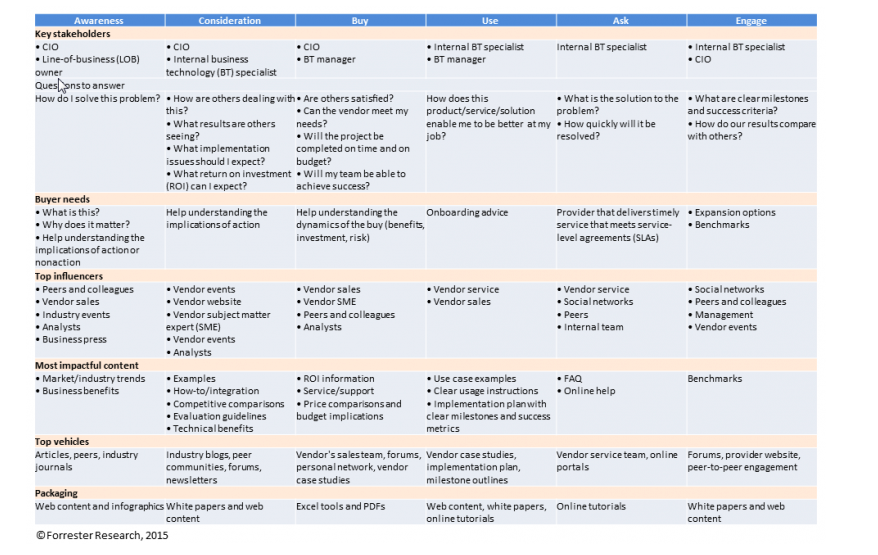
A customer journey map is a visual representation of every experience your customers have with you. It shows you the route your customers take when navigating your website, and allows you to record every touchpoint. Developing a customer journey map can optimize your digital marketing strategy, as you can understand and address your buyer’s feelings, motivations and questions.
Here’s a breakdown of what customer journey mapping is, how it can help reveal gaps or issues within your strategy, and how to get started planning your own map.
The purpose of a customer journey map is very simple: it helps you understand the route your customers take when buying and using your products and services. It serves to tell the story of your customer’s experience, from their initial engagement with your brand, into hopefully a long-term relationship.
By charting and organizing your customer’s touchpoints with your brand, you’ll gain a holistic view of the process they go through when using your services.
A customer journey map is a powerful tool that allows you to clearly understand your audience’s needs. Here’s why it’s so effective.
Firstly, it gives you a complete overview of where and when customers are interacting with your business. You can understand the context of your users, and gain a clear picture of their needs, hesitations and potential concerns. From there, you can tailor your online experience and work towards establishing a long-term relationship with customers, based on consistency and trust.
While you can reward yourself for all the fantastically positive touchpoints you have created, you will also be able to see where you are currently lacking content and losing customers. This works in your favour, so fear not! Understanding where you need to invest time and money means you can immediately develop priorities to address these. You can then take steps to improve certain aspects of your customer’s experience.
Now you’re fully aware of the benefits of a customer journey map, you’re probably wondering how to get started? As you can imagine, mapping out the customer experience takes some time, but it’s definitely worth the effort.
We recommend you start out by listing all online touchpoints your company has with customers. Keep it simple, and note what message your customer is receiving at each encounter, and what platform they receive this on. Once you’ve synchronized your messages throughout your customer’s journey, you can put together your map.
Below is an example of a customer journey map from Forrester Research. However, if you fancy something a little more visual, there are many tools such as Microsoft Visio and Glizzy that turn your data into flow charts and diagrams.
We understand that customer journey mapping is a complex process! At the end of the day, each and every map is produced differently, depending on your own, personal preferences. If you need help connecting with your customer and improving touchpoints online, as a full-service marketing agency here at Cloud9 Marketing, we would be happy to help. To arrange a strategy consultancy that focuses on your consumer’s journey, you can find us here – we look forward to hearing from you!
Can you identify your exact online target audience? If no immediate image or prototype pops into your head, you may need to re-evaluate your marketing strategy.
You could have the most visually appealing website to ever exist, but it will fail to make an impact if it’s not reaching the right audience. To make sure your hard work pays off, you’ll need to find out who your customers are and where they hang out online. By identifying your primary audience’s needs, you can increase your online conversations, optimize your social media marketing, and boost organic traffic.
If you know exactly what your customers want, you can optimize your site to maximise the likeliness of them coming across it in their online searches.
The same goes for what your customers don’t want- by understanding their state of mind you can structure and prioritise content on your site, and leave out what you know won’t interest them. Here are a few ways to identify your target audience.
But they definitely wont deliver entirely effective results. If you have no paying customers yet, trust your instincts and make educated guesses. In an online world, location becomes irrelevant, so stick to making assumptions about your target audience’s lifestyle and needs.
While your own estimations are a good start, unfortunately you’re not psychic. Once you have a sketch of your target audience, put it to the test in the real world. Meet people and businesses that fit your customer profile, and converse and interact with them. Once you learn about the market you are operating in, it will be easy to tweak your previous assumptions and change course if necessary.
It’s also worth surveying some of your most recent customers on what they used your site for, and how your business has changed their life. Keep your questions short and neutral, but in-depth enough that you can gather some solid demographical data.
There are many web analytics services on the Internet, but Google Analytics is the biggest and the best. It tracks and reports website traffic to provide you with insightful data right at your fingertips. Use it to unearth near limitless data about your target audience’s demographic and psychographic profiles, and gain a better understanding of what they find important and interesting.
The custom reports it produces are also highly useful, allowing you to see which traffic sources convert the best so you can invest more time, money and effort into high performing traffic senders.

Once you’ve identified your target audience, you need to make them stick around. Learn about them, understand them, and represent them on your site. You can try using social media listening tools, or manual monitoring, to learn your audience’s common dialect and understand their social media conversations.
Then, it’s time to take the plunge and dabble in your own online networking. Connecting with your target demographic and having a strong social media presence will help build trust and loyalty between your customers and your brand. Done right, your social media marketing will also provide proof that you are a well-connected, conscientious company that is worth following and supporting.
Blogging is also a great way to increase your following and maximise online conversations, as you’ll produce valuable optimized content that establishes your expertise to your audience.
If you need any help identifying and securing your target audience, here at Cloud9 we’d be more than happy to arrange a strategy consultancy. We focus our marketing plans around digital marketing strategies that are proven to gain customers. You can book an appointment here.

Whether you are a new start up or a multi-national corporation, Facebook advertising is a tool that can’t be ignored. With 1.71 billion monthly active users and 1.13 billion daily active users in June 2016, Facebook is an undeniable force when it comes to connecting with your target market. With recent algorithm changes organic advertising (posts that aren’t paid for) are seeing a declining reach. Due to the large number of businesses using Facebook as a marketing tool, Facebook wants to ensure people’s timelines are not cluttered with spammy sales pitches therefor serious advertisers now need to pay to have their content seen. The upside to this is Facebook advertising is it’s affordable, laser focused and highly effective. Here we discuss more about what Facebook advertising is, and why you need to be using it.
Advertisements on Facebook are built in a business page, therefor in order to start advertising on Facebook a business and a personal page are needed. When creating a Facebook ad, you are essentially generating a Facebook post which will be displayed in the timelines or the right sidebar of your desired target audience. A new integration also allows you to have your ads displayed on Instagram. Facebook advertising is completely customizable and affordable. You can create an ad on Facebook for as little as $1 a day.
Facebook ads can be built via the Publishing Tools tab on a Facebook page, by boosting a post or with a Business Manager Facebook Account. A Business Manager Account that features an Ads Manager portal gives you the most control and insights when advertising with Facebook. When building a Facebook ad, you first select your advertising goal; examples of these include driving more traffic to your website, getting people to download an app, getting more page likes or generating phone calls to your business. Once your goal is defined you can select an audience. Audiences can be selected using location and demographic information, by remarketing to website visitors, targeting those who have submitted lead forms plus many other methods. After defining an audience, the budget and duration of your ad can be selected. Finally, media (photo or video), and text can be added to create the perfect ad to reach your desired customers or clientele.
Simple put, people spend a ridiculous amount of time on social media. In the US, people spend nearly two hours a day on social networks. Organic reach on Facebook is a thing of the past and recent data shows less than .5 percent of Facebook fans will actually see your posts and updates. Facebook offers laser targeting allowing you to reach motivated customers when they’re online. Businesses can target location, demographics, age, gender, interest behaviour and connections. To get even more granular recent purchasing behaviour, life event targeting, look-a-like audiences and remarketing ads can also be used. Never has advertising been so cost effective and precise as what we are seeing with Facebook advertising.
Businesses around the world are seeing enormous results with Facebook advertising. If you haven’t started yet what are you waiting for? Let us help you achieving your online goals and reach your target market through Facebook ads. Contact Cloud9 Marketing today to learn about our affordable and effective social media packages for companies big and small.

There is a lot of confusion surrounding hashtags. They seemed to pop up out of no where and now have over run the social media space. Hashtags done properly can be immensely powerful marketing tools but when used carelessly can be extremely annoying and possibly detrimental to your online reputation. We could sit here and bore you with the history of the hashtag, and how they’ve evolved in the digital space over the years but we will leave that to PaultheTrombonist in his hilarious video History of the Hashtag # while we enlighten you on how to apply hashtags in each of your social channels like a Pro.
Love them or hate them, hashtags are here to stay. There are many examples out there of hashtags done well (and probably even more of hashtags gone bad) but overall they serve three main purposes:
Here at Cloud9 Marketing, we represent a lot of businesses in the tourism industry here in beautiful Whistler, B.C. We obviously want people across social media platforms who are interested in travelling and visiting places like Whistler to view our posts. Because of this, we always ensure to append #Whistler to our posts. Other common hashtags we use are #ski #snowboard #adventure (you get it). By doing this people interested in these topics can simply click on one of the above hashtags and all of our beautiful and engaging photos and posts will appear. If you went on Twitter or Instagram right now and typed in a hashtag that interested you (like #winewednesday for example), you will see thousands of posts all displaying the hashtag and theme.
If you run a business and want to connect with potential fans and followers, hashtags are an excellent way to do so. Say you have an online dog treat business and want to get more people following you on social media and ultimately order dog treats on your website. Conducting initial research on popular hashtags used in your industry on sites such as Tagboard will give you a good idea which tags will be popular with your target market. By consistently appending these hashtags to your posts you will get more likes, comments, shares and retweets simply by people interested in and following those hashtags.
Hashtags are also great tools for branding. If you have a promotion you are running or want to communicate your slogan or brand strengths in your posts, appending them as hashtags is a great way to communicate the message to your fans and followers. Take Coca Cola for example, their recent Share a Coke campaign has penetrated the social realm and the hashtag #ShareACoke has been appended to all of their relevant posts. The more your social community notices branded hashtags the more likely they are to engage with them.
Hashtags were born on Twitter, and are still important additions to any post on this channel although generally only one or two can be included due to the character limitations. Instagram is also the perfect platform for hashtags and relevant and trending hashtags are sure to increase engagement of your posts. Instagram has a maximum of 30 hashtags per post but it’s recommended to insert 5-10 relevant, trending and catchy tags. Unlike Twitter and Instagram, where hashtags unite the entire community of users, Facebook hashtags generally only unite current friends and followers, or large brands who don’t have their setting set to private. For that reason, individuals don’t use hashtags as much on Facebook as brands do however if you’re going to use them, it is suggested to keep them minimal, 1-2 shows the most engagement.
Hopefully now we’ve demystified the hashtag and you are ready to put them to use in your own social media strategy. Still confused or need help with your online marketing- we are here to help! Contact Cloud9 Marketing today and find out how we can assist you.

Marketing has come a long way in the last few years, if you ask people in the industry many would probably agree there have been more changes in marketing in the last 5 years, then there has been in the 50 years prior. With the explosion of the internet, uptake of mobile and ability to seamlessly track and monitor advertising spend and ROI online, it’s no surprise businesses around the world are diverting their budget to digital in 2016. Here are some key Marketing Stats that are so important to the way a business markets their products and services in both the B2B and B2C space, they simply cannot be ignored.
Content marketing is essential for optimal SEO performance and is the best way to drive traffic to your website. Blogging about useful, informative and engaging information that is relevant to your target market will drive traffic to your website, ultimately increasing conversions for your business.
This should come as no surprise. Smartphones, tablets and computers have become an extension of people’s bodies and people now turn to the internet instead of traditional media like TV, print and radio to get information.
Internet advertising is cost effective, highly targeted and traceable. These three features along with potential reach have seen the internet surpass TV for total ad spend.
Social media advertising is easy, cheap and effective. With platforms like Instagram now offering ad functionality, total social ad spend is expected to continue with double digit growth over the coming years.
As smartphones become more functional, and websites more mobile-friendly consumers will increasingly use their mobile to research and purchase products and services online.
How much has your business allocated to digital marketing this year? Companies have noticed the value of online marketing and larger portions of budget are being spent on digital marketing.
Most businesses have a combination of email marketing, social media, mobile marketing and PPC as part of their digital marketing portfolio. It is getting rarer for companies not to leverage all four of these components to varying degrees.
Around the world smart phones and mobile uptake is becoming the norm presenting an enormous opportunity for mobile advertising.
Although social media is not known as the best conversion platform it is absolutely essential for brand awareness and influencing customers to choose your company over the competition. To increase conversions, social media advertising is very effective.
Content marketing is commonly agreed by marketing experts to be the most important SEO element and those who commit to prioritizing blogging are seeing results.
There is no longer a question of having an online presence or not, and a website that’s not producing fresh content, or a social media presence that’s sitting stagnant, can do more harm then good online. The question now is having the right mix of online marketing components for your business to ensure you are reaching clients with the right message at the right time.
At Cloud9 Marketing we specialize in creating customized digital marketing strategies for our clients in Whistler BC and around the world. Whether it’s social media, SEO, web design, graphic design, content marketing and blogging or branding, we deliver results-driven, customer-centric and highly engaging digital marketing services communicating unique brands to the right people at the right time.

We are a women and Indigenous-owned full-stack creative marketing agency based in the resort town of Whistler, BC. Offering Creative Strategy Consultancy, Search Engine Marketing, Web Development, Social Media, Graphic Design and more. No project is too big or too small.
Join our mailing list to get monthly updates on the latest trends and news in marketing.