
The Cloud9 Marketing blog covers trending digital marketing topics, industry tips and advice as well as, resort marketing tactics.

When autumn arrives, the world around us begins to slow down. The air feels crisper, the days get shorter, and our routines naturally shift. These changes don’t just affect the outdoors—they shape our energy, creativity, and focus. At Cloud9 Marketing, we see fall as the perfect moment to hit reset: to reflect, adapt, and recharge your creative flow.

Here’s how to use the season’s natural rhythm to fuel inspiration and strengthen your business strategy.

Summary

Here’s a quick look at the points we’ll explore in more detail:

  1. How seasons shape creativity – Understand how autumn influences focus, mood, and productivity.
  2. Bringing autumn into your marketing – Use seasonal colours, visuals, and themes to connect with your audience.
  3. Refreshing your strategy and content – Audit your digital presence, update keywords, and plan your fall content calendar.
  4. Slowing down to spark new ideas – Create space for reflection, brainstorming, and fresh inspiration.
  5. Connecting with seasonal campaigns – Engage your audience through fall promotions and community partnerships.
  6. Staying flexible as the season changes – Track results, learn from performance, and adapt your strategy quickly.

So grab your coffee, shake off the summer haze, and let’s get into it—because fall is where fresh ideas take off

1. Understand How Seasons Shape Creativity

Seasonal changes influence more than just mood—they also affect how we think and create. Research shows that fall often brings a sense of clarity and productivity as people settle into new routines after summer’s busyness. Cooler weather and softer light can encourage reflection, creating the right conditions for more focused, meaningful work.

By paying attention to these patterns, you can schedule big creative projects or marketing campaigns when your energy is naturally at its peak.

2. Bring Autumn into Your Marketing

Fall is a season people feel connected to on an emotional level. The colours, textures, and traditions carry strong associations, which makes them powerful tools in your marketing. Simple updates—like adding autumn tones to your visuals, using seasonal photography, or creating limited-time offers—signal that your business is fresh and in tune with the moment.

Think of it as aligning your brand with the season’s story. Small touches go a long way in building connection with your audience.

3. Refresh Strategy and Content

As routines settle, autumn offers the chance to review your approach and make improvements. This is the perfect time to:

  • Audit your online presence. Check that your website loads quickly, looks current, and works well on mobile.
  • Update your keywords. Seasonal searches like “fall activities near me” or “autumn promotions” rise in popularity. Adjusting your SEO ensures people find you when they’re looking.
  • Plan your content calendar. Map out posts, blogs, and campaigns that reflect fall holidays, community events, and seasonal themes. Consistency across platforms keeps your brand top of mind.

Transitioning your strategy now sets you up for success through the rest of the year.

4. Slow Down to Spark New Ideas

Fall encourages us to pause and reset. Instead of pushing forward at summer’s fast pace, this is the season to make space for reflection and creativity. Use quieter routines to brainstorm, refine campaigns, or revisit projects that need fresh energy.

Encourage your team to shift their rhythm too—dedicate time to deep focus work, cut back on unnecessary meetings, and create space for inspiration to spark. Sometimes slowing down helps you move forward with greater clarity.

5. Connect with Seasonal Campaigns

Autumn is a season that lends itself naturally to connection. Whether it’s a harvest festival, a cozy product promotion, or a community event, seasonal campaigns resonate strongly with customers. Limited-time offers, fall-themed bundles, or local collaborations can spark engagement while building stronger ties in the community.

By tapping into what people already feel this time of year, your campaigns become more relevant and memorable.

6. Stay Flexible and Learn from the Season

Just as fall teaches us that change is constant, it’s important to remain flexible in your marketing. Track your results closely—watch engagement, conversions, and feedback—and compare them to previous seasons. If a campaign doesn’t land, don’t hesitate to pivot.

Adaptability is part of creative flow, and each seasonal shift offers lessons you can carry forward.

Why Fall Works as a Creative Reset

Autumn is the bridge between summer’s energy and winter’s stillness. It’s a season of transition, making it the perfect time to pause, reflect, and reset. For businesses, it’s a chance to gather insights from the past months, adapt strategies, and prepare for the year’s final stretch.

In Whistler and the Sea to Sky Corridor—where seasonal rhythms are felt deeply—Finding creative flow in changing seasons isn’t just a catchy idea. It’s a strategic way to align with your audience’s mindset and keep your business connected to the community.

Fall is more than a backdrop of colourful leaves—it’s an opportunity to refresh your creativity and strategy. By embracing seasonal energy, updating your marketing, and making space for reflection, your business can stay inspired and ready for growth. With “Finding Creative Flow in Changing Seasons” as your guide, you can turn autumn’s transition into an advantage for your brand.


Ready to refresh your marketing this season? At Cloud9 Marketing, we help local businesses in Whistler and the Sea to Sky Corridor turn creative ideas into results. Book your free consultation today and discover how our team can help your brand grow.


👉 Book Your Free Consultation with Cloud9 Marketing

Marketing can feel overwhelming when you’re running a small business. Between tight budgets, limited resources, and ever-changing trends, it’s easy to think only big brands can make a splash. The truth? Small businesses often have an advantage: the ability to be nimble, personal, and authentic. With a few marketing hacks for small businesses, you can turn that edge into real results.

1. Harness the Power of User-Generated Content (UGC)

Consumers trust other consumers more than they trust ads. By encouraging your customers to share photos, reviews, and testimonials, you create authentic marketing content that resonates. UGC builds credibility, strengthens community, and reduces the time you spend creating content from scratch.

💡 Example: A café asking customers to share latte art photos with a branded hashtag. Not only do you get free content, but you also encourage engagement.

Summary: UGC is cost-effective, authentic, and builds trust while cutting down your content workload.

2. Focus on Quick-Win Social Strategies

You don’t need to post daily to see results. Instead, aim for consistency and quality. Choose one or two platforms where your audience is most active, use scheduling tools to plan posts, and lean on formats like Reels or carousels that generate higher engagement.

💡 Example: A local fitness studio posting three short reels per week featuring quick workouts or client success stories.

Summary: Simplify social media by focusing on consistency, platforms that matter, and formats that spark interaction.

3. Repurpose Content to Maximize Reach

Content doesn’t have to be one-and-done. A blog post can become an email newsletter, a LinkedIn article, or a series of Instagram captions. Repurposing ensures you reach more people without creating new material each time.

💡 Example: Turning a “Top 5 Tips” blog into five separate Instagram posts and a short TikTok video.

Summary: Repurposing saves time and multiplies the impact of your best content.

4. Use Simple Digital Tools to Stay Organized

Free or low-cost tools can make marketing manageable. From Canva for graphics, to Mailchimp for email marketing, to Buffer for scheduling posts—these tools help small businesses look polished without needing a full team.

💡 Example: A boutique clothing shop using Canva templates for seasonal promotions, keeping their brand consistent while saving design costs.

Summary: Digital tools streamline your efforts, making professional-quality marketing accessible to everyone.

5. Measure What Matters

Not every metric tells the full story. Instead of chasing likes or followers, track engagement, website clicks, and conversions. Knowing what’s actually driving results helps you refine your approach and focus energy where it counts.

💡 Example: A landscaping business realizing that Facebook posts don’t bring many clicks, but email newsletters consistently generate bookings.

Summary: Focus on meaningful metrics to refine your strategy and boost ROI.

Marketing doesn’t have to be complicated. With a smart mix of UGC, simplified social strategies, repurposed content, and the right tools, small businesses can grow without burning out. These marketing hacks for small businesses give you a practical way to save time, build trust, and drive results—without the overwhelm.

👉 Ready to put these strategies into action? Book a free consultation with Cloud9 Marketing and let’s explore how we can help your business grow with simple, effective marketing solutions.

The long, hot days of summer are starting to fade, and change is in the air. Soon, Whistler’s trails will be framed by golden leaves, the midday heat will be replaced by cool, refreshing air, and hiking or biking won’t leave you feeling like you’ve just run a marathon.

For creatives, this transition can be a sweet spot—an invitation to shift gears and find new inspiration. But it can also be when burnout sneaks in. If you’re feeling drained, stuck in a rut, or like your content is losing its spark, it’s time for a creative burnout reset—before the season fully turns.

Signs You Might Be Heading Toward Burnout

Burnout isn’t always dramatic; sometimes it’s subtle. Watch for:

  • That “blah” feeling toward projects you used to enjoy.
  • Struggling to start or finish creative work.
  • Relying on the same formulas over and over.
  • Feeling drained even after taking time off.

If these sound familiar, the good news is you can turn it around with the right creative burnout reset strategies.

Your Creative Burnout Reset Toolkit

As the season begins to shift, now is the perfect time to press pause and refresh your approach. A creative burnout reset doesn’t have to mean starting over—it’s about making small, intentional changes that reignite your spark. The following ideas are designed to help you welcome cooler days, changing colours, and fresh perspectives into your creative process.

1. Revisit Your “Why”

Think back to what made you want to create in the first place. Whether it’s helping a local business stand out or telling visual stories, reconnecting with your purpose brings back the drive.

2. Stay Consistent—But Keep It Fresh

Your audience counts on your presence, but that doesn’t mean your content has to stay the same. Keep your schedule steady, but swap in new photo styles, seasonal colour palettes, or fresh angles on familiar topics.

3. Change Your View

Shift your workspace to somewhere that feels fresh—a patio table, a lakeside bench, or a quiet café. Let the cooler air and changing scenery be part of your creative reset.

4. Pause with Intention

Pauses are your essential checkpoints. A quiet coffee break with a snack, a mindful walk, or a midday stretch can reset your mental energy and help you avoid burnout altogether.

5. Collaborate and Connect

Reach out to fellow creatives, industry peers, or even clients for idea-sharing sessions. A quick chat can spark fresh concepts and give you new creative inspiration.

6. Celebrate Wins

Pause to acknowledge what you’ve already accomplished this year. Big or small, these wins are proof of your skills and creativity—perfect motivation as part of your creative burnout reset.

7.Unplug and Recharge

Put the phone down, close your laptop, and give your mind a breather. Sometimes the best for creative burnout is to stop creating altogether—at least for a short time. Give yourself permission to take a true break from designing, writing, or brainstorming. Focus on everyday life instead: cook your favourite meal, go for a walk, sit down with a book or spend time with friends. Inspiration often hides in these ordinary moments, and when you give your creativity space to breathe, the urge to create usually comes back stronger than before.

Why August Is the Perfect Time

This in-between season is a creative goldmine. The colours are starting to change, the air feels fresh, and outdoor adventures are still in full swing—without the summer scorch. It’s the ideal moment to embrace a creative burnout reset before the busy fall season begins.

Ready to Reset with Cloud9 Marketing?

If burnout has been holding you back, you don’t have to tackle it alone. At Cloud9 Marketing, we help businesses and creatives in Whistler and the Sea to Sky Corridor stay inspired year-round. Through smart planning, fresh creative thinking, and our proven creative burnout reset strategies, we’ll help you keep your content consistent, relevant, and engaging—without the stress.

Book your free consultation today, and let’s work together to turn this seasonal shift into your biggest creative boost yet—fueled by fresh ideas, smart planning, and strategies tailored just for you.

Each year, summer in Whistler brings the same exciting rhythm: packed patios, bustling village energy, and a flood of visitors eager to experience the best of the season. But beyond the surface, there’s a masterclass in marketing taking place—one that businesses with seasonal swings can learn a lot from.

As we shift into fall, it’s worth looking back at what worked during the summer rush—and how you can apply those insights to keep momentum going year-round.

1. Big Events = Big Buzz

August saw Crankworx Whistler return for its 20th anniversary (August 8–17), drawing huge crowds with world-class mountain biking action. Hot on its heels, the 50th anniversary of the Resort Municipality of Whistler (August 21–25) brought concerts, family-friendly programming, and art installations to the village.

Why it matters:
Big events create organic momentum. By aligning your marketing with major happenings—whether local festivals or seasonal milestones—you can amplify visibility and ride the wave of increased interest.

How to use this in fall:
Promote your business during local fall events, like farmers markets, art walks, or Thanksgiving. Even if you’re not directly involved, you can tailor messaging or launch themed promotions around them.

2. Free Activations Drive High Engagement

Whistler’s Summer Concert Series offered 13 nights of free music in Olympic Plaza, creating a gathering place for visitors and locals alike. These accessible events created repeat visitation, social sharing, and emotional brand connections.

Why it matters:
Free or low-barrier offerings (even digital ones) generate loyalty and engagement. People remember businesses that give without asking first.

How to use this in fall:
Host a giveaway, launch a mini content series on Instagram, or offer a downloadable seasonal guide. Give your audience something useful or entertaining before pushing a sale.

3. Tell Local Stories That Matter

Whistler’s “Local’s List” blog series provided visitors with insider tips—from best hiking trails to cultural events. This editorial-style content not only informed tourists, it established Whistler as a destination with depth and personality.

Why it matters:
Story-driven content builds emotional connections. People crave more than products—they want to feel part of something real.

How to use this in fall:
Create fall-themed blog posts, behind-the-scenes videos, or customer spotlight stories. Share your perspective, your team, your town. Let your brand personality shine.

4. Data Drives Smart, Seasonal Strategy

Tourism Whistler’s marketing strategy, backed by the MRDT (Municipal & Regional District Tax) program, focuses on data-driven digital campaigns to align with real visitation patterns, optimize timing, and highlight local infrastructure improvements.

Why it matters:
Guesswork doesn’t cut it in a competitive market. Analyzing trends, user behaviour, and performance helps you work smarter—not harder.

How to use this in fall:
Review your summer campaign data now. What posts, emails, or ads performed best? Repurpose that winning content or optimize it for the changing season.

5. Smart Tourism = Sustainable Growth

Whistler’s “Smart Tourism” strategy emphasizes balanced growth—promoting local businesses, protecting the environment, and improving the visitor experience.

Why it matters:
Sustainable marketing isn’t just ethical—it’s effective. Customers value transparency, community support, and eco-awareness.

How to use this in fall:
Feature partnerships with local makers, encourage eco-conscious behaviour, or showcase how your business gives back. This builds trust while supporting long-term growth.

6. August: The Unsung Hero of Seasonal Strategy

August is the perfect pivot point. It captures peak summer energy while hinting at cooler days ahead. Whistler’s August buzz—from lakeside lounging to action-packed weekends—naturally transitioned into fall-ready content.

Why it matters:
What you do in August sets the tone for your entire fall strategy. It’s the ideal time to tease promotions, launch storytelling campaigns, and get ahead of your competitors.

How to use this in fall:
Don’t wait for October. Begin your fall marketing push in August—whether that’s teasing a seasonal product, running early-bird promos, or shifting your content toward cozy themes and scenic fall visuals.

Conclusion: Plan Smarter, Market Better

Whistler’s summer highlights what seasonal marketing should be: timely, engaging, thoughtful, and community-driven. With the right mix of event alignment, free content, localized storytelling, and data-informed strategy, you can turn fleeting seasonal moments into long-term business growth.

At Cloud9 Marketing, we help Whistler and Sea to Sky Corridor businesses tap into this power with personalized, results-driven strategies. If you’re ready to build a better fall campaign, let’s talk.

👉 Book a free consultation today and get your fall strategy rolling.

Search isn’t just evolving—it’s being redefined.

Artificial intelligence is now at the heart of how people get answers online. Instead of showing a list of links, tools like Google’s Search Generative Experience (SGE), ChatGPT, and Perplexity AI create complete responses to user questions.

If your content isn’t optimized for these tools, it won’t get featured. And that means your audience may never see it.

This is where Generative Engine Optimization (GEO) comes in.

At Cloud9 Marketing, we’re helping businesses across Whistler and the Sea to Sky Corridor get ahead of this shift. Let’s walk through what GEO is, why it matters, and how you can start using it today.

What Is GEO?

GEO stands for Generative Engine Optimization. It’s a new strategy for writing and structuring your content so that AI tools can easily understand and use it.

Instead of focusing only on search engine rankings, GEO is about creating content that’s:

  • Easy for AI to read and process
  • Factually accurate and clearly structured
  • Helpful, trustworthy, and relevant

The goal is to become the source that AI tools rely on when answering questions.

GEO isn’t about quick tricks. It’s about building useful, well-organized content that AI models want to pull from.

How GEO Differs from Traditional SEO

SEO isn’t going away—but it’s no longer enough on its own.

Here’s how GEO builds on traditional SEO strategies and adapts them for today’s AI-powered search environment:

Traditional SEO Generative Engine Optimization (GEO)
Uses keywords to boost rankings Uses questions and answers to offer clarity
Optimizes for humans and search engines Optimizes for AI-generated responses
Focuses on backlinks and authority Focuses on structure and usefulness
Relies on meta tags and schema Relies on scannable, well-formatted content
Aims to appear in search results Aims to be selected as the answer by AI

Put simply: SEO earns visibility in search results, GEO earns placement in AI-generated answers.

Why GEO Should Be a Priority

Search habits are changing. More people are turning to AI-powered tools to get quick, accurate answers—no need to click through multiple links.

Here’s why GEO is becoming essential:

  • AI-powered search is already live. Google, Bing, ChatGPT, and other platforms are using AI to summarize information instantly.
  • AI-generated answers often skip links. If your content isn’t part of the summary, it may never be seen.
  • AI trust builds brand authority. When AI tools pull from your site, it positions you as a trusted expert.
  • Your competitors are catching on. The sooner you optimize for GEO, the more you’ll stand out.

How To Start Using GEO

You don’t need a massive website overhaul. You just need to be strategic. Here are five ways to begin implementing GEO today:

1. Structure your content clearly

Use headings (H1, H2, H3) to organize your pages. Keep paragraphs short and focused on one idea at a time.

2. Provide real value

Write content that answers real questions. Use facts, statistics, and plain-language explanations that help both readers and AI models.

3. Format for readability

Use bullet points, lists, and Q&A-style sections. This makes it easier for AI to scan and understand your content.

4. Add smart internal links

Connect related pages on your site to build topical authority and help AI understand the bigger picture.

5. Use a helpful, natural tone

Write like you’re having a conversation with your audience. Clarity and simplicity outperform jargon every time.

The Future of Search Is Generative

At Cloud9 Marketing, we help businesses create content that performs now—and stays competitive in the future.

GEO isn’t just a buzzword. It’s a practical approach that puts your business in front of your customers, even as search engines evolve.

Whether you’re a tourism operator, a local shop, or a regional brand, now is the time to update your strategy. We’re here to help you do it.

Search is smarter. Your strategy should be too.

If you’ve ever tried turning customer photos into usable marketing content, you know the struggle is real. That’s exactly why so many brands now look to simplify UGC with Cloud9 Connect. It’s never as simple as right-clicking, saving, and posting. You often end up tracking down the original sender, requesting usage rights (sometimes long after the moment has passed), and juggling images scattered across folders, emails, and social DMs. Add the uncertainty of legal permissions and the challenge of integrating visuals into your campaigns, and what should feel like a quick win quickly turns into a time-consuming mess.

That’s where Cloud9 Connect steps in.
In this post, you’ll learn how Cloud9 Connect removes the stress from collecting, organizing, and using user-generated content (UGC). With branded upload pages, built-in consent, and a centralized media hub, Cloud9 Connect transforms real customer moments into brand assets—without the guesswork.

What Is Cloud9 Connect?

If you want to simplify UGC with Cloud9 Connect, here’s how it works: This solution gives busy businesses a better way to gather and use customer photos—without getting stuck in legal disclaimers, endless email threads, or cluttered folders. It combines a photo hub and consent system into one streamlined tool. Your customers scan a custom-branded QR code and land on a mobile-friendly page designed with your brand’s look and voice. From there, they can upload their photos in seconds.

Want to use those images in marketing? Consent is already built in.

Cloud9 Connect empowers businesses to highlight and celebrate their customers in a meaningful, brand-safe way. It also offers a secure and user-friendly platform for your audience, complete with built-in consent and image removal forms. And with an ever-growing collection of Canva templates, you’ll have quick access to creative assets that keep you in full control of your visual storytelling.

Cloud9 Connect empowers businesses to highlight and celebrate their customers in a meaningful way.

Cloud9 Connect provides a secure and user-friendly platform for your customers, complete with built-in consent and removal forms.

A fresh and growing lineup of Canva templates—designed to give you quick access and complete creative freedom.

The Problem with Traditional UGC Collection

Most businesses struggle to manage UGC effectively—both legally and logistically. Here’s why:

  • Unclear rights: Using a photo without explicit permission can lead to legal trouble.

  • Disorganized storage: Images often end up buried in DMs or mixed into personal files.

  • Limited usability: Even when you collect photos, finding the right one when you need it can be frustrating.

  • Missing context: You don’t always know who submitted what, when, or why.

These roadblocks often stop businesses from even trying—leaving valuable content and marketing opportunities untapped. That’s exactly why so many teams are choosing to simplify UGC with Cloud9 Connect.

How to Simplify UGC with Cloud9 Connect

  1. Streamlined Collection
    Stop chasing tags or sending awkward follow-ups. Cloud9 Connect provides custom-branded print and digital materials featuring a QR code. When customers scan it, they’re taken directly to your branded upload page—clean, mobile-friendly, and ready for their photos.

  2. Automatic Consent Management
    Say goodbye to legal uncertainty. Each submission includes clearly written terms, giving your business permission to use the images in marketing. You no longer need to chase down waivers or second-guess compliance.

  3. Centralized Hub for Easy Access
    Cloud9 Connect stores all submissions in a single media hub. You can browse, download, and tag photos by campaign, customer type, or location—no more lost files or cluttered inboxes. Your marketing team (or agency 👋) will thank you.

  4. Stronger Customer Engagement
    Customers love seeing their photos featured by brands they admire. By making it simple and rewarding to share their experiences, you turn everyday users into active brand ambassadors.

Use Cases That Actually Work

Businesses across industries already rely on Cloud9 Connect to simplify and elevate their UGC efforts:

  • Tourism operators capture scenic guest photos in real time

  • Retailers collect lifestyle shots for newsletters and product pages

  • Event organizers run photo contests to boost participation

  • Hospitality brands showcase real guest experiences across social platforms

Wherever customers take photos, Cloud9 Connect gives them an easy way to share—and gives your team the tools to use those moments effectively.

Ready to Simplify UGC with Cloud9 Connect?

Simplify UGC with Cloud9 Connect and take the headache out of collecting and managing customer content. Cloud9 Connect makes every stage of the UGC process easy—cutting out legal headaches, messy folders, and disorganized content workflows. Instead, you gain a secure, streamlined system for gathering high-quality visuals from your audience, all with built-in consent and clear brand alignment.

Whether you run a tour company, a retail shop, an event series, or a local service, Cloud9 Connect helps you capture and share real experiences that build trust, increase engagement, and foster loyalty.

Want to see it in action or get started with your own branded setup?
Visit cloud9connect.ca and start turning customer creativity into your most powerful marketing asset.

If you’ve been wondering whether email marketing still works in 2025, the answer is a resounding yes. In fact, winning newsletter strategies for 2025 are more impactful than ever—proving that email newsletters remain one of the most powerful tools in a marketer’s arsenal. For small and mid-sized businesses across Whistler and the Sea to Sky Corridor, newsletters continue to be a reliable, cost-effective way to engage directly with your audience and drive meaningful results.

At Cloud9 Marketing, we understand the evolving digital landscape, and we’re here to help you turn email into a growth engine. This month, we’re diving into winning newsletter strategies for 2025—with simple, actionable tips that actually work.

1. Personalize with Purpose

Generic blasts are a thing of the past. Today, the power lies in segmentation—sending the right message to the right person at the right time. Whether you’re welcoming new subscribers or re-engaging long-time readers, personalization creates connection.

Think local: a Whistler-based gear shop might send different emails to hikers and skiers. Even small tweaks like referencing seasonal changes or local events can build trust and relevance.

For more on tailoring your marketing efforts, check out our insights on Understanding Local SEO.

2. Make It Mobile and Reader-Friendly

More than three-quarters of emails are opened on a mobile device—so if your newsletter isn’t mobile-optimized, you’re missing out. Keep designs clean and simple. Use larger fonts, single-column layouts, and clear buttons. Just like we recommend in our Top SEO Trends for Spring 2025, readability is everything when attention spans are short.

Bonus tip: short subject lines (ideally under 40 characters) tend to grab more attention—so keep it snappy!

3. Stay Consistent, Not Constant

One of the most underrated winning newsletter strategies for 2025 is finding your rhythm. Weekly or bi-weekly emails are often ideal, especially for small businesses. They strike a balance between staying visible and not overwhelming your list. Treat your newsletter like a story you’re telling over time—something readers look forward to. A consistent tone, layout, and send time builds familiarity and strengthens your brand voice.

For strategies on maintaining consistency in your marketing efforts, explore our article on Beyond Luck: Smart Marketing Strategies.

4. Automate Without Losing the Human Touch

Email automation is your best friend in 2025, but it shouldn’t sound robotic. Set up welcome series, birthday offers, or seasonal campaigns that still feel warm and thoughtful.

At Cloud9, we help clients build smart automation sequences that maintain personality—so your brand feels consistent whether you’re writing in real-time or scheduling weeks ahead.

5. Add Value Before You Sell

People don’t subscribe to be sold to—they subscribe to learn, be inspired, or stay connected. Make sure your emails offer something meaningful: a behind-the-scenes update, a staff pick, a seasonal tip, or even a funny story from your week. Not every email needs to include a promo code or CTA. Sometimes, the win is simply staying top-of-mind in a helpful way.

For ideas on providing value to your audience, consider our Top SEO Trends for Spring 2025.

Want to Make Your Newsletters Work Harder?

You don’t need a huge subscriber list or complicated tools to succeed. You just need a plan—and maybe a little guidance. Whether you’re launching your first campaign or refreshing an old format, we’re here to help with winning newsletter strategies for 2025 tailored to your business.

👉 Get in touch with Cloud9 Marketing and let’s build something brilliant together.

Clearing out the clutter? Your digital strategy could use some attention too. As we shake off winter and look ahead to the warmer months, it’s the perfect time to dust off your SEO strategy. Search engine optimization is constantly evolving, and staying ahead of the SEO trends for spring 2025 is crucial for maintaining your visibility and reaching new audiences—especially for small- to mid-sized businesses in competitive regions like Whistler and the Sea to Sky Corridor.

So, what’s blooming in SEO this spring? Let’s dig in.

1. AI & Search: The Rise of Generative Results

Artificial intelligence is continuing to change the way people interact with search engines. Google and Bing are experimenting with generative AI features that summarize information directly in the search results. These AI-generated snapshots often pull answers from multiple sources—meaning the competition for visibility is no longer just about ranking #1.

What this means for your business:
As part of the evolving SEO trends for spring 2025, businesses should focus on high-quality content that demonstrates E-E-A-T—Experience, Expertise, Authoritativeness, and Trustworthiness. Structure your content for both humans and algorithms, and answer common questions in natural, conversational language.

Action tip: Review your existing pages to ensure they’re optimized for long-tail and conversational search queries. Consider adding a clear FAQ section to your most important service pages.

2. Local SEO Is Getting Even More Local

Google is placing more emphasis on hyperlocal search results, especially for users searching on their phones or using Google Maps. This means that when someone searches for a product or service—like “coffee near me” or “bike shop in the area”—Google aims to show results that are not just nearby, but also highly relevant and well-optimized for that specific location.

In the past, simply being close to the searcher might have been enough to appear in local results. Now, Google also considers factors like:

  • How complete and accurate your Google Business Profile is
  • Whether your website content mentions specific neighbourhoods or areas you serve
  • How often your business receives fresh, local reviews
  • Whether your business information is up to date, including hours, services, and photos
  • How well your business is categorized and described

What this means for your business:
Among the top SEO trends for spring 2025 is the push toward hyperlocal relevance. Local SEO now requires more than just proximity—it’s about being recognized as the most relevant and trustworthy option in your area. Make sure your Google Business Profile is complete and up to date. Include local place names in your website content where relevant.

Action tip: Actively collect new customer reviews and regularly update your listings. This signals to Google that your business is active and trustworthy in your community.

For more tips, check out our blog on Understanding Local SEO.

3. Video and Visual Search Are Gaining Ground

With the rise of tools like Google Lens and Pinterest Lens, people are using images to search more than ever. Meanwhile, short-form videos on platforms like Instagram Reels and YouTube Shorts are being indexed and appearing in search results.

What this means for your business:
One of the more noticeable SEO trends for spring 2025 is the growing impact of visual and video content in search. Visual content isn’t just for social media—it can help with SEO too. Optimizing images and videos for search is now essential.

Action tip: Add descriptive alt text to your images, use structured data for your videos, and make sure your media is high-quality and relevant to your services or products.

4. Website Performance Still Matters

Google’s Core Web Vitals continue to play a big role in ranking. If your website loads slowly or isn’t mobile-friendly, your SEO could take a hit—even if your content is great.

What this means for your business:
A fast, mobile-optimized website helps users and boosts rankings. Speed matters more than ever—especially with mobile-first indexing being a priority among SEO trends for spring 2025.

Action tip: Use tools like PageSpeed Insights or GTmetrix to audit your site’s performance. Tackle common issues like large image sizes, unnecessary plugins, or outdated themes. For more guidance, check out our blog on how to optimize your business for mobile.

5. Zero-Click Searches & Snippet Optimization

More people are getting their answers directly from search results—without even clicking through to a website. This means optimizing your content for featured snippets and quick answers is more important than ever.

What this means for your business:
Content that is well-structured and directly answers search queries is more likely to appear in these “zero-click” positions, such as featured snippets or the “People Also Ask” box.

Action tip: Use headers, bullet points, and clear, concise language to make your content snippet-friendly. Focus on answering common customer questions up front. For more ideas on driving visibility in search, check out our blog on 5 ways to increase web traffic in searches.

Final Thoughts: What You Can Do This Quarter

SEO never stands still—but that doesn’t mean you have to feel overwhelmed. This spring, take the time to:

  • Refresh your website content for AI and conversational search.
  • Make sure your local SEO is tight and up to date.
  • Invest in visual content and optimize it properly.
  • Improve site speed and mobile usability.
  • Structure your content for snippets and zero-click searches.

Staying ahead of these trends can help you reach more potential customers—and build long-term digital success.

Need a hand keeping up with SEO trends?

We offer free consultations to help you understand where your business stands and how to improve your online visibility. Let’s talk about your goals and see how Cloud9 Marketing can support your SEO strategy—no pressure, just expert advice tailored to you.

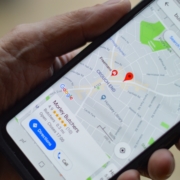
person holding phone - local SEO

Most business owners with a website have heard of SEO—Search Engine Optimization. But in 2025, if your business serves a specific area or has a physical location, there’s one branch of SEO that should be high on your priority list: Local SEO.

What is Local SEO?

Local SEO is the process of optimizing your online presence to help your business appear in local search results. Whether someone’s searching for “best plumber near me” or “coffee shop open now,” Google and other search engines prioritize businesses that are not only relevant but hyperlocal—based on the user’s exact location.

As local search results become more personalized and map-driven, optimizing your website and listings for local intent is essential to getting discovered by customers who are ready to take action—whether that means making a call, getting directions, or visiting your storefront.

The Google 3-Pack

The Google 3-Pack refers to the top three business listings that appear in a box at the top of local search results (alongside a map). These listings typically show your business name, reviews, address, hours, and contact info—making it incredibly easy for potential customers to reach out or drop by.

While Google uses a variety of signals to determine which businesses appear in the 3-Pack, strong local SEO practices can significantly improve your chances of showing up there.

How to Optimize for Local SEO in 2025

Here are the most important strategies you should focus on this year:

Set Up and Optimize Your Google Business Profile

Your Google Business Profile (formerly Google My Business) is your most important local SEO asset. If you haven’t claimed and verified your listing yet, now’s the time.

Make sure to:

  • Add accurate business hours, contact info, and services

  • Choose the most relevant business category

  • Upload high-quality photos of your location or offerings

  • Regularly post updates or promotions

  • Respond to reviews promptly

Keeping this listing active and complete sends strong trust signals to both Google and your potential customers.

Claim your Google My Business listing here.

Embrace Hyperlocal Keywords

Generic city-wide terms aren’t enough anymore. Search engines now favour businesses that reflect specific neighbourhoods, districts, or landmarks.

What to do:
Update your website copy to include relevant local identifiers. Mention nearby streets, communities, or areas you serve. If you’re a service-based business, include the local regions you cover on your service pages.

Collect and Respond to Customer Reviews

Customer reviews are one of the biggest ranking signals in local search—and they influence user trust and click-throughs.

Encourage happy customers to leave reviews by:

  • Sending follow-up emails after service

  • Adding a review link in your email signature

  • Displaying signage in-store

  • Training staff to ask politely after a positive interaction

Always take the time to respond—especially to negative feedback. It shows you care and helps build credibility.

Optimize for Voice Search

With the rise of smart speakers and mobile voice assistants, local searches are often spoken rather than typed.

What to do:
Use natural, conversational language on your site. Add an FAQ page that answers common questions in plain terms, and structure your content so it’s easy for Google to pull snippets from.

Improve Your Mobile Experience

Most local searches happen on mobile devices—so your website needs to be fast, responsive, and easy to navigate on any screen size.

Key things to check:

  • Mobile-friendly design with readable fonts and easy buttons

  • Fast page load speeds

  • Click-to-call functionality

  • Accurate location info on every page (ideally in your footer)

A poor mobile experience can harm both your rankings and your reputation.

Add Location-Specific Content

Content is still king, and creating blog posts or landing pages that target local events, services, or community interests can help boost your visibility.

Ideas include:

  • Blogs about local festivals or news

  • Highlighting partnerships with nearby businesses

  • Showcasing customer stories from your area

This type of content builds trust and relevance while targeting local search terms.

Although these are just some of the ways to optimize your website for local SEO, following these steps will surely improve your ranking and increase your chances of being featured in the Google 3-Pack. 

Need help with your website SEO? Not sure where to start? We can help! Read more about our Search Engine Optimization Services here.

Go beyond luck—use smart marketing strategies to boost bookings with data-driven insights and storytelling. A little luck never hurts, but when it comes to keeping your resort booked year-round, a solid marketing strategy makes all the difference. By combining these elements, you can attract the right guests, increase direct bookings, and create an experience that keeps them coming back.

Use Data to Market Smarter

Marketing without data is like navigating without a map. The better you understand your audience, the easier it is to connect with them and drive bookings. Here’s how data-driven strategies can help:

  • Know Your Guests: Not all travelers are the same. Identify your ideal visitors—families, adventure seekers, or wellness travelers—and tailor your marketing to their interests. Data-driven insights help you fine-tune your messaging, ensuring you meet their expectations and create an experience they’ll love.
  • Optimize Your Ads: A well-placed ad can turn interest into action, but PPC campaigns aren’t just about spending money—they’re about spending wisely. Use guest data to refine your ad targeting, messaging, and budget allocation to get the best return on investment.
  • Personalize the Guest Experience: Personalization makes all the difference. From customized email campaigns to special offers based on past stays, tailored communication makes guests feel valued—and more likely to book again.

Turn Browsers into Bookers with Storytelling

Data helps you reach the right audience, but storytelling makes them stay. Guests don’t just book a place to sleep—they book an experience. Crafting compelling narratives and showcasing what makes your resort unique creates an emotional connection that turns casual browsers into confirmed bookings.

  • Craft a Compelling Brand Story: Every great resort has a story. Whether you offer a luxury escape or a cozy retreat, your brand story should highlight what sets you apart.
  • Show, Don’t Just Tell: Words alone won’t do the trick—visual storytelling is key. High-quality images and videos bring your resort to life, helping guests picture themselves enjoying the experience. From breathtaking landscapes to behind-the-scenes moments, visuals create an emotional connection.
  • Highlight Local Culture: Travelers crave authenticity. Showing how your resort connects guests with local culture—whether through food, activities, or community experiences—enhances their stay and sets you apart.

The Winning Combination: Data + Storytelling

When you merge data-driven strategies with powerful storytelling, you get marketing that works. Use guest insights to craft meaningful narratives and deliver them through the right channels. That’s how you turn interest into bookings.

But marketing your resort effectively takes more than just hope—it takes strategy. By combining data insights with compelling content, you can attract the right guests, increase direct bookings, and maintain high occupancy rates year-round.

Want to learn more? We break down these strategies in detail on our blog, offering expert insights to help you stay ahead in the competitive hospitality industry.

Keep Learning: Explore Our Blog

Marketing is always evolving, and staying ahead means refining your strategy over time. That’s why we dive deeper into these topics on our blog.

From setting achievable marketing goals in Achieve Your 2025 Marketing Resolutions to boosting your online presence with 5 Strategies to Grow Organically on Social Media, our articles provide actionable tips to enhance your marketing approach and drive success.

Let’s Make Your Resort the Top Choice

At Cloud9 Marketing, we help resorts and hospitality businesses fine-tune their marketing strategies to better connect with their ideal guests, enhance the booking experience, and build lasting customer relationships. Go beyond luck—use Smart Marketing Strategies to boost bookings with data-driven insights and storytelling. Attract the right guests and keep your resort full year-round. Let’s work together to position your resort as the top choice for travelers.

Let’s work together to position your resort as the top choice for travelers. Book a free consultation today! 🚀